Move two first lines into new article Belgian man 13:33, 1 Oct 2004 (UTC)
Any additional info on the source or origin of that «OVER» logo at the bottom of the article? Otherwise, it makes it seem like a biased article. —Logariasmo 03:22, 17 Apr 2005 (UTC)
Here is the logo, in case we want to keep it for posterity. I have removed it from the article. If someone wants to re-insert the logo, please give a good reason for doing so, such as maybe: «This modified company logo appeared in … after …»
—Logariasmo 03:43, 17 Apr 2005 (UTC)
the ‘over’ badge was posted on www.b3ta.com, a graphics-editing site [British] after the first news. No link, but that’s what it is — a joke, and not a serious badge.
Can somebody date the last use of the licenced 215 at Rover? (I believe it was replaced by a BMW around 1990.) Am I right it was bought from GM 1962? And is it still in use at Morgan? Trekphiler 07:31, 28 November 2005 (UTC)Reply[reply]
Was «Rover» actally ever listed? I take it that if it was it was previous to the firm becoming part of British Leyland? Otherwise it would be a group listing and so shouldnt be on this page. Ian3055 15:45, 3 May 2006 (UTC)Reply[reply]
clarification needed[edit]
quote:(Similarly, in Australia, the Honda Quint and Integra were badged as the Rover Quintet and 416i.) what is a honda quint? Im from Australia and never heard of it, I was pretty sure the honda named accord and the rover quintet were the same but need to check this out. (to confirm the honda quint never exsisted in australia its not listed at http://www.redbook.com.au either)
Worth mentioning? Prewar models had a freewheel device operated by a knob on the dash board. 81.156.82.34 10:35, 10 September 2006 (UTC)Reply[reply]
Rover continued to develop the gas turbine for automotives purposes until the seventies. One of its uses was in the ground starting trolley for Avro Vulcan MkII air craft. Another was to power the APT-E 81.156.82.34 10:44, 10 September 2006 (UTC)Reply[reply]

Image:Rover logo.jpg is being used on this article. I notice the image page specifies that the image is being used under fair use but there is no explanation or rationale as to why its use in this Wikipedia article constitutes fair use. In addition to the boilerplate fair use template, you must also write out on the image description page a specific explanation or rationale for why using this image in each article is consistent with fair use.
Please go to the image description page and edit it to include a fair use rationale. Using one of the templates at Wikipedia:Fair use rationale guideline is an easy way to insure that your image is in compliance with Wikipedia policy, but remember that you must complete the template. Do not simply insert a blank template on an image page.
If there is other other fair use media, consider checking that you have specified the fair use rationale on the other images used on this page. Note that any fair use images uploaded after 4 May, 2006, and lacking such an explanation will be deleted one week after they have been uploaded, as described on criteria for speedy deletion. If you have any questions please ask them at the Media copyright questions page. Thank you.BetacommandBot 10:36, 6 June 2007 (UTC)Reply[reply]
Image:Rover logo new.jpg is being used on this article. I notice the image page specifies that the image is being used under fair use but there is no explanation or rationale as to why its use in this Wikipedia article constitutes fair use. In addition to the boilerplate fair use template, you must also write out on the image description page a specific explanation or rationale for why using this image in each article is consistent with fair use.
Please go to the image description page and edit it to include a fair use rationale. Using one of the templates at Wikipedia:Fair use rationale guideline is an easy way to insure that your image is in compliance with Wikipedia policy, but remember that you must complete the template. Do not simply insert a blank template on an image page.
If there is other other fair use media, consider checking that you have specified the fair use rationale on the other images used on this page. Note that any fair use images uploaded after 4 May, 2006, and lacking such an explanation will be deleted one week after they have been uploaded, as described on criteria for speedy deletion. If you have any questions please ask them at the Media copyright questions page. Thank you.BetacommandBot 10:36, 6 June 2007 (UTC)Reply[reply]
rover[edit]
there is nothing wrong with this document. it is great.
I think that the timeline at the bottom of the page should be modified somewhat. The Rover 400 & 45 should be moved to «Mid-size car» and the 75 should be moved in-between «Large Family» and «Executive car» or at least down to «Exectutive car».
Can this even be done? Dominar_Rygel_XVI (talk) 10:53, 17 December 2007 (UTC)Reply[reply]
Image:Rover logo new.jpg is being used on this article. I notice the image page specifies that the image is being used under fair use but there is no explanation or rationale as to why its use in this Wikipedia article constitutes fair use. In addition to the boilerplate fair use template, you must also write out on the image description page a specific explanation or rationale for why using this image in each article is consistent with fair use.
Please go to the image description page and edit it to include a fair use rationale. Using one of the templates at Wikipedia:Fair use rationale guideline is an easy way to insure that your image is in compliance with Wikipedia policy, but remember that you must complete the template. Do not simply insert a blank template on an image page.
If there is other fair use media, consider checking that you have specified the fair use rationale on the other images used on this page. Note that any fair use images lacking such an explanation can be deleted one week after being tagged, as described on criteria for speedy deletion. If you have any questions please ask them at the Media copyright questions page. Thank you.
BetacommandBot (talk) 15:53, 21 January 2008 (UTC)Reply[reply]
Ford had acquired an option of first refusal to buy the Rover brand as a result of its purchase of Land Rover from BMW in 2000.
In March 2008, Tata finalised a deal with Ford Motor Company to acquire their British Jaguar Land Rover (JLR) business, which also includes the Rover, Daimler and Lanchester brand names. The purchase was completed on 2nd June 2008
If that’s the case, it makes Tata the parent company of the now defunct Rover. It is true Tata owns the brand name and hence the rights to the company.
Hence making Tata the parent company.
—User:prasanaik 19:58, 29th July 2008 (UTC)
- This article is about the company named Rover Company Limited which was founded in 1904, and which was acquired by Leyland Motor Corporation (its first parent) in 1967, and absorbed along with them into British Leyland in 1968. Rover Company retained its separate identity within British Leyland (its second parent) through its transition to BL plc, but when BL changed its name to Rover Group in 1986, the old Rover Company became defunct, ceasing to be a separate legal entity, and so is defined in this article as a company which became defunct in 1986. The Rover brand however, as opposed to the by now defunct Rover Company, was used as the main car brand of Rover Group, and continued to be used by them after they were privatised in 1988 (by being sold to British Aerospace), and after they were sold again in 1994 to BMW. In 2000 BMW retained ownership of the brand, although they sold much of the Rover Group company to Phoenix Venture Holdings. Phoenix, however, used the Rover brand, under licence from BMW, for some of the cars they produced until their demise in 2005. SAIC bought the rights to build the «Rover» cars in 2005, but did not get the right to use the brand, which BMW subsequently sold to the Ford Motor Company to go with the Land Rover brand (and company) which they already owned. When Tata Motors bought Jaguar Land Rover from Ford in 2008, they also bought the Rover brand, but as you can see, by then, it was a long way removed from the Rover Company (the subject of this article) which had ceased to exist in 1986. Tata certainly own the brand, but they are no more parents of the Rover Company which went defunct in 1986 than they are of the numerous other companies which have owned or used the brand since then. — de Facto (talk). 22:56, 29 July 2008 (UTC)Reply[reply]
-
- In the absence of any further comment, I’ll assume that the ‘dispute’ is resolved and remove the template. — de Facto (talk). 13:55, 4 August 2008 (UTC)Reply[reply]
The article is about Rover Company, now it has marques etc in infobox, should the page renamed? —— Typ932T | C 21:00, 4 November 2008 (UTC)Reply[reply]
Better not,
as various pages, such as Rover (cars), Rover brand), Rover Company wikilink to this page. Due to the complexity of industrial history of this company, and the fact that also Rover Company Ltd. ceased to exist in 1986 but continued to be around as a Rover Company as part of Rover Group and later MG Rover, the umbrella term of Rover Company with details about marque, cars and corporate history while making clear in the text how that meaning of «company» changed over time, would be the best way to go. Leave it.
Furthermore, the disambiguation page for Rover is already very long, and a further splitting of Rover Co., Rover Cars, Rover marque as additional entries to the already disparate BLMC, BL, Austin Rover, RG, MGR etc would make a reader not familiar with the history of «Rover» essentially unable to grasp the entire context.
The best way to go ahead is to have this as a hub focused on the Rover Company synonymous with its marque until 1986, and then describe the continuation of Rover Company assets within Rover Group and finally MG Rover, and now, as a final point, a dormant marque of Tata. This would be similar to the procedures used on Wikipedia for Jaguar, Bentley, Rolls-Royce, MG and Land Rover which have seen similar disruptions in continuity, though not on the scale and complexity as Rover did.
Rover’s history must probably be one of the most complex in automotive history. Let’s make this a reflected in an intelligible wiki article.
-SocialScienceLondon —Preceding unsigned comment added by SocialScienceLondon (talk • contribs) 01:43, 5 November 2008 (UTC)Reply[reply]
The image File:Rover Group logo.jpg is used in this article under a claim of fair use, but it does not have an adequate explanation for why it meets the requirements for such images when used here. In particular, for each page the image is used on, it must have an explanation linking to that page which explains why it needs to be used on that page. Please check
-
- That there is a non-free use rationale on the image’s description page for the use in this article.
- That this article is linked to from the image description page.
This is an automated notice by FairuseBot. For assistance on the image use policy, see Wikipedia:Media copyright questions. —14:33, 7 January 2009 (UTC)Reply[reply]
Rover Company started out making the Rover Safety Bicycle and then moved on into motorcycles and cars. The Rover in the article Rover (motorcycles) is the same Rover as the one in this article. There should not be a separate article about the same company. I propose that the motorcycle article be merged into this one. No signature (talk) 19:52, 16 May 2009 (UTC)Reply[reply]
- I have moved the information from «Rover (motorcycles)» into a section of this article. I have kept «Rover (motorcycles)» as a separate article so that any significant additions to the topic can be added there for development as a branch article. If needs be, the section in this article may be summarized more concisely than it is now. No signature (talk) 10:05, 24 May 2009 (UTC)Reply[reply]
In the post-war era of mergers (i.e. not the pre-war Leyland cars), was it ever true to say that Rover was ever part of «Leyland Cars» (rather than «British Leyland» or «BLMC»)? Is this diff correct?
- Rover was initially purchased by Leyland, which owned Triumph at the time. Leyland then merged with British Motor Holdings (itself a merger between British Motor Cars and Jaguar Cars) to form British Leyland.
- Interstingly enough, the only BMC marque to make it to the end was MG. Wolseley and Riley were killed off early and then Morris and Austin were killed off in the ’80s. Triumph was also discontinued in the ’80s; BMW still owns the Triumph automotive marque. Jaguar somehow gained its freedom from BL for a few years before being bought by Ford. No signature (talk) 21:21, 28 July 2009 (UTC)Reply[reply]
-
- In the 1970s British Leyland made not only cars, but trucks, vans, tractors, fork-lifts, buses, earth moving and road-making equipment, fridges, etc. Leyland Cars was the car making division. — de Facto (talk). 23:01, 28 July 2009 (UTC)Reply[reply]
We would like to purchase this film can you help with an outlet selling this. —Preceding unsigned comment added by 58.168.93.40 (talk) 08:55, 4 April 2010 (UTC)Reply[reply]
There were two vehicles, one not metioned and one very little information about that was a turning point for Rover. First being the introduction of the Range Rover in 1969 which was a drastic change in design for Land Rover at the time. Second was little mention about the SD1 or 3500 and how it boosted sales and changed the image of Rover cars and was the last British designed and British built Rover.There is also no mention of Spencer King who played a huge role in Rover’s long history —Preceding unsigned comment added by YankeeRover (talk • contribs) 05:00, 7 August 2010 (UTC)Reply[reply]
The Wilks brothers deserve all the credit they have always received but they were found for the job by a relative, Frank Searle, who was very much more than the manager of a bus company (as suggested elsewhere).
There is mention of Weymann being a coach-builder for Rover. Certainly not so but as Rover were Weymann champions, early-adopters and (very) late droppers, it might be that the subsidiary, Midland Light Car Bodies, was a licensee of Weymann. Eddaido (talk) 21:08, 24 April 2011 (UTC)Reply[reply]
HI I HAVEA ROVER25CAR AND THE FOD IS NO GOOD CAN YOU TELL ME WEAR TO GET A NEW ONE — Preceding unsigned comment added by 90.206.177.121 (talk) 17:05, 15 March 2014 (UTC)Reply[reply]
Hello fellow Wikipedians,
I have just modified one external link on Rover Company. Please take a moment to review my edit. If you have any questions, or need the bot to ignore the links, or the page altogether, please visit this simple FaQ for additional information. I made the following changes:
- Added archive https://web.archive.org/web/20031004182313/http://www.austin-rover.co.uk/ to http://austin-rover.co.uk/
When you have finished reviewing my changes, you may follow the instructions on the template below to fix any issues with the URLs.
This message was posted before February 2018. After February 2018, «External links modified» talk page sections are no longer generated or monitored by InternetArchiveBot. No special action is required regarding these talk page notices, other than regular verification using the archive tool instructions below. Editors have permission to delete these «External links modified» talk page sections if they want to de-clutter talk pages, but see the RfC before doing mass systematic removals. This message is updated dynamically through the template {{source check}} (last update: 18 January 2022).
- If you have discovered URLs which were erroneously considered dead by the bot, you can report them with this tool.
- If you found an error with any archives or the URLs themselves, you can fix them with this tool.
Cheers.—InternetArchiveBot (Report bug) 12:03, 9 December 2017 (UTC)Reply[reply]
The Rover Company (the subject of this article) vanished into Leyland Motors/British Leyland in 1966/67, so this article should not be concerned with anything that happened after that date. The continuity of the Rover brand is covered in the Rover (marque) article and the history of the various successor companies that used that brand should be covered in the articles dedicated to those companies (such as British Leyland, Rover Group, MG Rover, Land Rover, Jaguar Land Rover. For that reason I have tried to remove post-1967 information from this article. — DeFacto (talk). 21:23, 13 December 2017 (UTC)Reply[reply]
@Avi8tor: There have been different definitions of horsepower over time, measuring system, use, etc. Are you sure you are converting the right units? Are you trying to convert taxable horsepower (almost meaningless) into an actual measurement? Just a thought. Sammy D III (talk) 17:04, 12 December 2020 (UTC)Reply[reply]
- From reading the article again I see «hp» mentioned twice, nothing about taxable horsepower and this sounds like the power output of the engine. This was a motorcycle introduced in 1902 when internal combustion engines were not very efficient at producing power. The Rover 12 motorcar further down the page talks about the Rover 12 which is probably the name of the car and probably the actual horsepower. Did the British tax vehicles on fiscal power? If it is indeed horsepower then according to the manual of style it needs to include the power in watts as well for the benefit of English speakers who use the modern SI.Avi8tor (talk) 17:28, 12 December 2020 (UTC)Reply[reply]
- I personally didn’t see what horsepower measurement is used, only the word. I would like you to check this out. I think (but am not sure) that you may be trying to convert this Olde English gibberish into a scientific measurement. Sammy D III (talk) 18:17, 12 December 2020 (UTC)Reply[reply]
- Thanks for the link, I’ll see what I can figure out. If it’s the Taxable horsepower then it should state that fact. Avi8tor (talk) 17:21, 13 December 2020 (UTC)Reply[reply]
-
- (interpolation Fiscal is an adjective meaning the subject relates to the public revenue, that is to say tax. Fiscal horsepower calculated by the same formula approved by the RAC was also used in the early 20th century by most if not all US states for tax purposes. Whenever they stopped doing that will depend on the state. Eddaido (talk) 22:11, 13 December 2020 (UTC))Reply[reply]
- Damn, I forgot to ping you. Sorry. Sammy D III (talk) 22:37, 13 December 2020 (UTC)Reply[reply]
- (interpolation Fiscal is an adjective meaning the subject relates to the public revenue, that is to say tax. Fiscal horsepower calculated by the same formula approved by the RAC was also used in the early 20th century by most if not all US states for tax purposes. Whenever they stopped doing that will depend on the state. Eddaido (talk) 22:11, 13 December 2020 (UTC))Reply[reply]
- From research, this was a one cylinder 496 cc engine with a bore of 85 mm, the simple formula for fiscal HP is engine displacement in cubic inches divided by 0.625π, then divided again by the stroke in inches. So 30,26777 cuin x0,625π =3,141 /stroke 3,35 = ~17 HP (fiscal) does not sound correct. if I use the other formula it comes to one. Neither is near 3,5. So I’m assuming it’s the actual power. Everyone refers to the engines as 2,5 or 3,5 HP https://cybermotorcycle.com/euro/brands/rover.htm.Avi8tor (talk) 18:05, 13 December 2020 (UTC)Reply[reply]
- I’m only talking about the unit. That is impressive math, but it isn’t the same equation as RAC horsepower.
I don’t know what (fiscal) is but it doesn’t seem to be the same as «Taxable». - I can’t believe this. I count on my fingers and care nothing about English cars and I think I have found two math errors in one section. Is D2 multiplied by 2/5 or divided by 2.5? Somebody got a «/» and a «.» confused? And right below that «This is equal…inches» is false, correct? (EDIT: I changed them).
- Chevy small-blocks were available as 302cid (4.0″ bore x 3.0″ stroke), 327cid (4.0 x 3.25), and 350cid (4.0 x 3.48) in ratings from 185 to 370 SAE gross horsepower at 4,000 to 6,000rpm, have compression ratios of 8.0 to 11.0:1, and had 2, 4, or 8 barrels of carburetor (plus crude FI). All, with any rating in any application with any options in any year, had 51 (EDIT: «AMA») taxable horsepower. From stripper pickup truck to high-dollar Corvette.
- It’s a tiny subjective thing but someone at project autos may care if you ask. You like math, I like machines, nice talking. Sammy D III (talk) 22:11, 13 December 2020 (UTC)Reply[reply]
- I’m only talking about the unit. That is impressive math, but it isn’t the same equation as RAC horsepower.
-
- Thanks for the link, I’ll see what I can figure out. If it’s the Taxable horsepower then it should state that fact. Avi8tor (talk) 17:21, 13 December 2020 (UTC)Reply[reply]
- I personally didn’t see what horsepower measurement is used, only the word. I would like you to check this out. I think (but am not sure) that you may be trying to convert this Olde English gibberish into a scientific measurement. Sammy D III (talk) 18:17, 12 December 2020 (UTC)Reply[reply]
- Cars and motorcycles of this era were generally categorised by their ‘RAC horsepower’, an index value calculated using a formula from the RAC based on the engine bore diameter in inches and number of cylinders. Without any evidence that the hp figure given for this motorcycle is based on engine power (rather than the unrelated RAC hp formula value) then it does not make sense to convert it into a power unit. BTW, the formula is DxDxNx0.4, where D=bore diameter in inches and N=number of cylinders. — DeFacto (talk). 09:23, 14 December 2020 (UTC)Reply[reply]
- Note: I think that is a current formula, not the 1910 one (divided by 2.5?). That may be useful in Horsepower and Tax horsepower, neither have caught the difference. Sammy D III (talk) 11:24, 14 December 2020 (UTC)Reply[reply]
- Sammy D III, they are all exactly the same formula: (D x D x n) / 2.5 = D x D x n x 0.4. And there is no «current formula», this method of taxation was abandoned in the UK in the 1940s. — DeFacto (talk). 11:44, 14 December 2020 (UTC)Reply[reply]
- DeFacto (that’s a new ping-trick) Gotcha, I just don’t know the arithmetic. 1940s, huh? I looked up those small-block numbers because it was a common joke in the 1970s when we still used them here (not any more). Thanks. Sammy D III (talk) 12:23, 14 December 2020 (UTC)Reply[reply]
- Sammy D III, they are all exactly the same formula: (D x D x n) / 2.5 = D x D x n x 0.4. And there is no «current formula», this method of taxation was abandoned in the UK in the 1940s. — DeFacto (talk). 11:44, 14 December 2020 (UTC)Reply[reply]
- Note: I think that is a current formula, not the 1910 one (divided by 2.5?). That may be useful in Horsepower and Tax horsepower, neither have caught the difference. Sammy D III (talk) 11:24, 14 December 2020 (UTC)Reply[reply]
Sammy D IIIDeFacto If you think this is fiscal horsepower then this needs to be stated in the article, otherwise everyone is being misled. The formula you give would equal 4,5 (4,489) fiscal horsepower. Real power is a higher value, so where does the 3,4 HP come from? Unless it’s the power of the engine and not the fiscal horsepower. Avi8tor (talk) 14:11, 14 December 2020 (UTC)Reply[reply]
- Can you source what measurement you are converting? Is it a formula (and thereby useless) or does it measure output, and if so, how? Two of us think it might be and one knows that it is some formula. You are trying to convert an unknown into an exact measurement without a ref. You seem to have OR math, fine here but not there. Sammy D III (talk) 14:52, 14 December 2020 (UTC)Reply[reply]
- Avi8tor, I don’t know whether it is actual horsepower or the calculated tax index, so wouldn’t feel comfortable changing the article. The output from the formula relies on us knowing what the engine bore is to input into it. — DeFacto (talk). 16:07, 14 December 2020 (UTC)Reply[reply]
- DeFacto Too much missing information to figure it out, I found the bore and stroke of the 2.5 HP single cylinder but not this one. Best to leave it until we have more information.Avi8tor (talk) 16:17, 14 December 2020 (UTC)Reply[reply]
- Avi8tor, I hope I’m not rude, but does knowing the exact stroke change anything? No formula is a measurement, is it? This RAC is an easy one, only two dimensions. The horsepower is set from the first piece of blank paper, you don’t even need to build the engine.
- If it is RAC horsepower then would you want to just link it instead of converting it? EDIT: Maybe a footnote? Possible RAC horsepower is used without explanation in other places, too. Sammy D III (talk) 22:45, 14 December 2020 (UTC)Reply[reply]
- This source also states 85mm bore, which would make it 4.5 RAC HP as pointed out by Avi8tor above. Which suggests that 3.5hp is the actual rating. Anyhow, 3 1/2 HP is a marketing name so it could mean anything it wants. Moto Révue tested one in 1919, but the last time a back issue sold was for 1,313 Euros two years ago… Mr.choppers | ✎ 18:42, 16 December 2020 (UTC)Reply[reply]
- DeFacto Too much missing information to figure it out, I found the bore and stroke of the 2.5 HP single cylinder but not this one. Best to leave it until we have more information.Avi8tor (talk) 16:17, 14 December 2020 (UTC)Reply[reply]
@DeFacto: We’ve moved to Talk:Horsepower if you care. Sammy D III (talk) 23:00, 16 December 2020 (UTC)Reply[reply]
Rover Company – бывшая британская компания-производитель автомобиля, основанная как Starley & Sutton Co. of Coventry в 1878. Это – прямой предок современного Ленд Ровер, которая является филиалом Jaguar Land Rover, принадлежащего Tata Group. Весь модельный ряд Ровер.
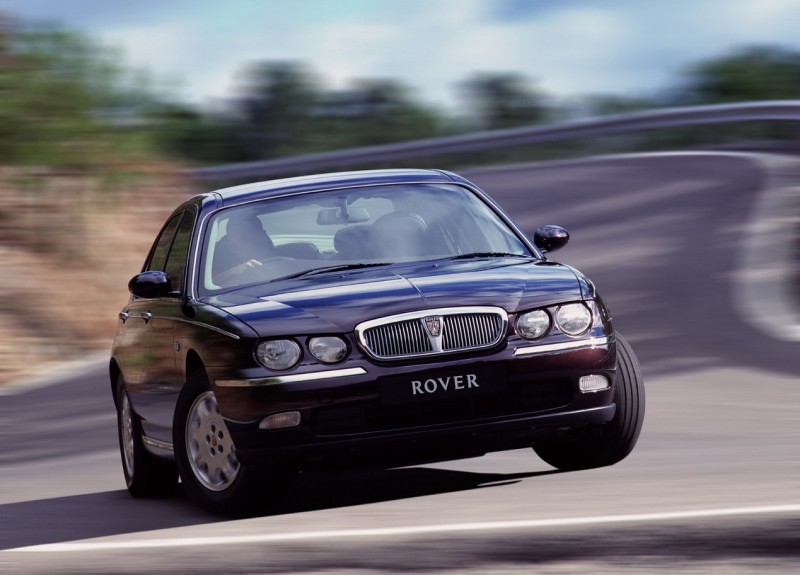
История
В 1888 году Джон Старли сделал электромобиль, но он никогда не выпускался серийно. В 1899 году Старли приобрёл с целью изучения конструкции одни из первых французских мотоциклов Пежо. Он пытался адаптировать двигатель от мотоцикла к одному из его велосипедов Ровер.
Через три года после смерти Джона Старли в 1901 году, и поглощения предпринимателем Х. Дж. Лоусоном, компания Rover начала производить двухместные автомобили. Представленная в 1912 году машина 12hp была настолько успешной, что некоторое время Rover выпускал только эту модель. Во время Первой мировой войны, компания выпускала мотоциклы и проектировала грузовики для других производителей.

В 1931 году был выпущен Rover Scarab имевший V -образный двухцилиндровый двигатель с воздушным охлаждением. В это же время появился Rover 10/25, с кузовом, выпущенным Pressed Steel Company. Аналогичный кузов поставлялся на Hillman Minx, машину компании Rootes Group. До этого времени Rover был большим сторонником деревянных, обтянутых тканью кузовов, которые к тому времени вышли из моды.
После Второй мировой войны компания оставила Хелен-Стрит и купила две теневые фабрики. Акокс Грин продолжил некоторое время, делая двигатели Метеора для баков, и Солихалл стал новым центром транспортных средств с производством, возобновленному к 1947 году. В этом году Ровер произвел Rover 12 Sport Tourer.
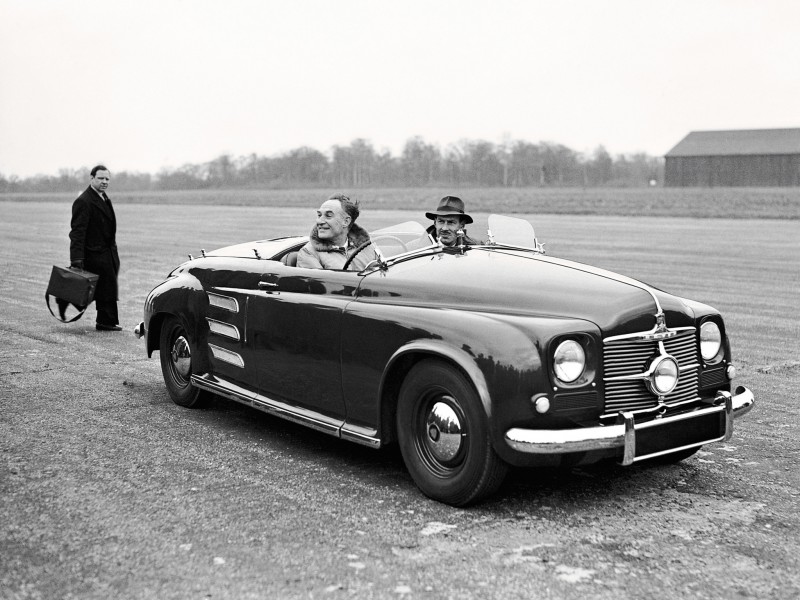
К 1949, компания разработала автомобильную газовую турбину, которая развивала 55000 об/мин и более чем 100 лошадиных сил. В марте 1950 Ровер показал прототип JET1, первый автомобиль, приведенный в действие с газотурбинным двигателем, общественности. JET1, открытый двухместный туристский автомобиль в одном из тестов развил рекордную для тех времён скорость 240 км/ч. В настоящее время этот автомобиль можно увидеть в лондонском Музее наук.
Золотой период
В конце 60-х Ровер работал в ряде инновационных проектов. Купив компанию Alvis в 1965 Ровер начал работу над суперкаром с двигателем V8, чтобы продать под брендом Alvis. Прототип, был назван P6BS. Ровер также работал над проектом P8, которым намеревался заменить существующий большой седан P5 чем-то более современным, наподобие несколько увеличенного P6.
Когда Leyland Motors British Motor Holdings, Rover и Jaguar стали корпоративными партнерами, эти проекты были отменены, чтобы предотвратить внутреннее соревнование с продуктами Ягуара. Проект P8 был отменен в очень поздней стадии подготовки – Ровер уже заказал оборудование для изготовления кузовов.
Ровер разрабатывал свой проект «100-дюймовый Универсал», который стал впоследствии инновационным Range Rover, выпущенным в 1970. На модели также использовался двигатель ex-Buick V8, а также инновационный дизайн конструкции кузова и такие особенности от P6, как постоянный полный привод и дисковые тормоза на всех колёсах. Рендж Ровер был первоначально разработан как транспортное средство, которое могло сочетать проходимость Land Rover и комфорт легкового автомобиля.
Спад
В 1967 Ровер куплен Leyland Motor Corporation, которая уже владела Triumph. В следующем году LMC объединился с British Motor Holdings, чтобы стать British Leyland Motor Corporation (BLMC). Это было началом конца для независимой Rover Company. Примерно в это время Leyland Cars выпускает Rover-Triumph, и Jaguar Rover Triumph.
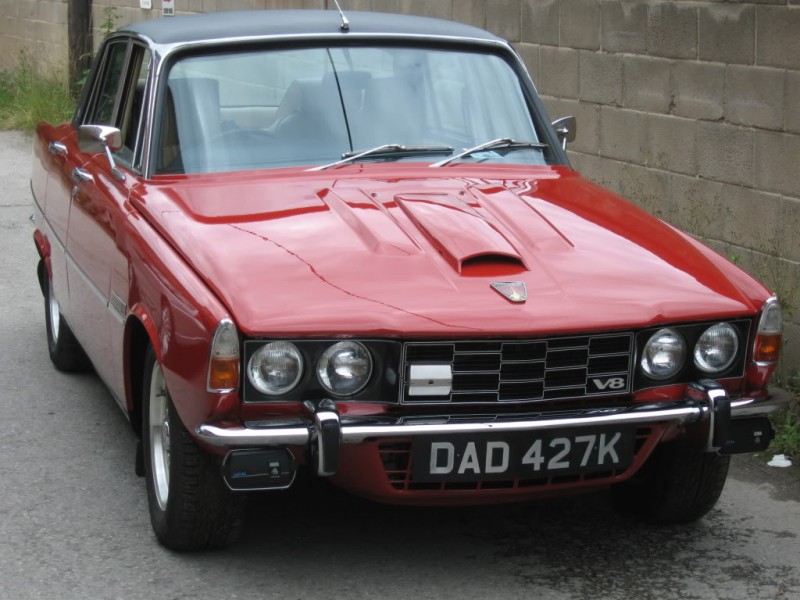
British Leyland продал часть акций с Honda Motor Corporation и это дало возможность появиться целому поколению транспортных средств под брендом Rover, содержащих в себе конструктивные решения Honda и помогшие продержаться на плаву компании и ее приемникам до середины 1990-х.
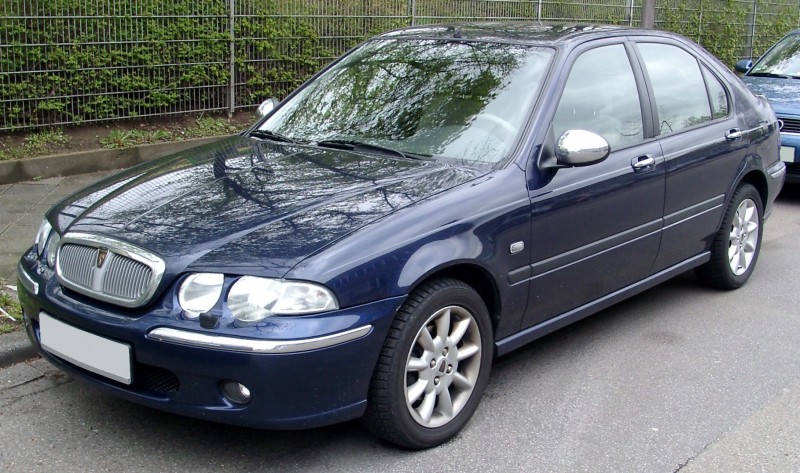
В 1988 бизнес был продан британским правительством Бритиш Аэроспейс (БЭЙ), и, вскоре после того название изменено на Rover Group. В 1994 году Аэроспейс продали бизнес BMW. При этом Хонда, владевшая 20%-й акций, вышла из бизнеса.
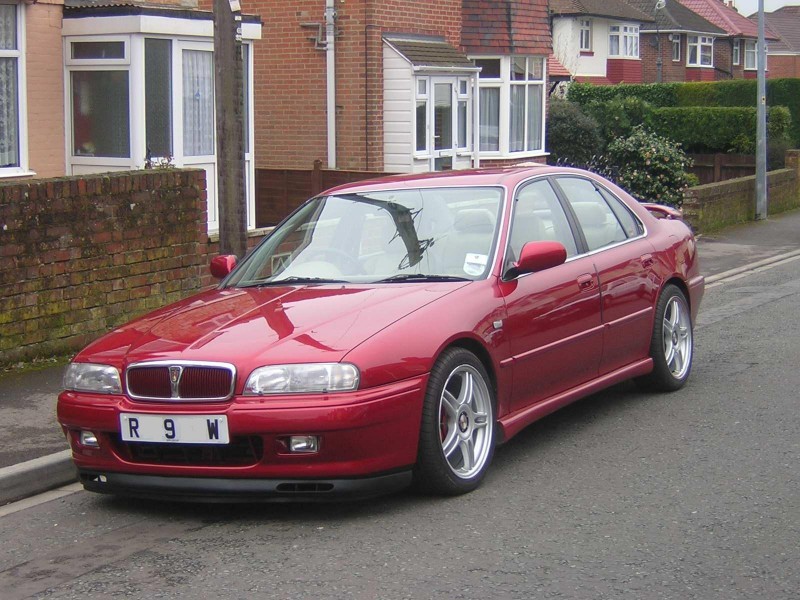
BMW не смогла достичь успеха в своих первоначальных попытках сохранить компанию целиком, решила оставить себе только предприятие в Cowley по производству MINI. Ленд Ровер был продана Форду. В 1999 году был выпущен совместный проект Rover и BMW Rover 75.
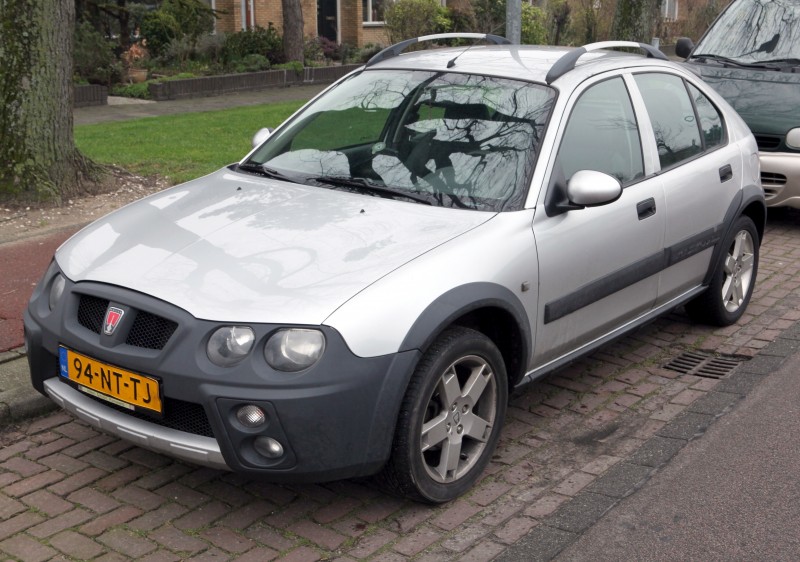
Производство в Лонгбридже, наряду с Rover и подразделением Morris Garages, были приобретены бывшим руководителем Ровера Джоном Тауэрсом в апреле 2000 года. Однако к апрелю 2005 года, он тоже объявил о неплатежеспособности и бизнес был снова продан, на этот раз Nanjing Automobile, которая переместила производство в Китай.
 |
|
| Промышленность | Автоматизированная индустрия Мотоциклетная промышленность (до 1925 г.) Велосипедная промышленность (до 1925 г.) |
|---|---|
| Судьба | Слился с Leyland Motors |
| Преемник | Британская Leyland Motor Corporation |
| Основан | 1878; 142 года назад |
| Основатель | Джон Кемп Старли & Уильям Саттон |
| Несуществующий | 1967; 53 года назад |
| Штаб-квартира | Англия: Ковентри, Западное Средиземье (1904–47) Солихалл, Западное Средиземье (1947–1967) |
|
Ключевые люди |
Спенсер & Морис Уилкс (Менеджмент и инженерия, 1929–63) Джон Тауэрс |
| Товары | Ровер Автомобили Мотоциклы (до 1925 г.) Велосипеды (до 1925 г.) Land Rover Вездеходы |
| Дочерние компании | Alvis Cars (1965–67) |
The Rover Company Limited был Британский автомобильная компания, которая работала со своей базой в Солихалл в Уорикшире. Его неизменная репутация качества и производительности была такова, что его первая послевоенная модель, рассмотренная Дорога и трек в 1952 году был объявлен лучше любого, кроме Rolls-Royce.[примечание 1] Rover также произвел Land Rover с 1948 г., что породило Range Rover в 1970 году и стал самым успешным и прибыльным продуктом — с Land Rover в конечном итоге становится отдельной компанией и самостоятельным брендом.
Ровер был продан Leyland Motors в 1967 году, которые уже приобрели Стандарт-Триумф семь лет назад. Первоначально Rover поддерживал уровень автономии в конгломерате Leyland, но к 1978 году Leyland — к тому времени Британский Лейланд (BL) — столкнулись с серьезными финансовыми трудностями и национализированный посредством Британское правительство. Большая часть активов бывшей компании Rover была переведена в новую дочернюю компанию BL под названием Land Rover Ltd пока Ровер марка сам по себе продолжал использоваться в других продуктах BL, которые в основном полагались на Honda инженерия. Тем не менее, Rover в конечном итоге стал самым плодовитым брендом в BL и дал свое имя всему конгломерату в виде Группа Ровер в 1986 г., из них MG, Мини и Land Rover оставался частью, пока Rover Group не была разделена BMW в 2000 г.
В настоящее время марка Rover является бездействующей собственностью компании Rover. де-факто преемник — Ягуар Ленд Ровер (принадлежит Тата Моторс ), который до сих пор работает на заводе Rover в Солихалле.
История
Перед автомобилями
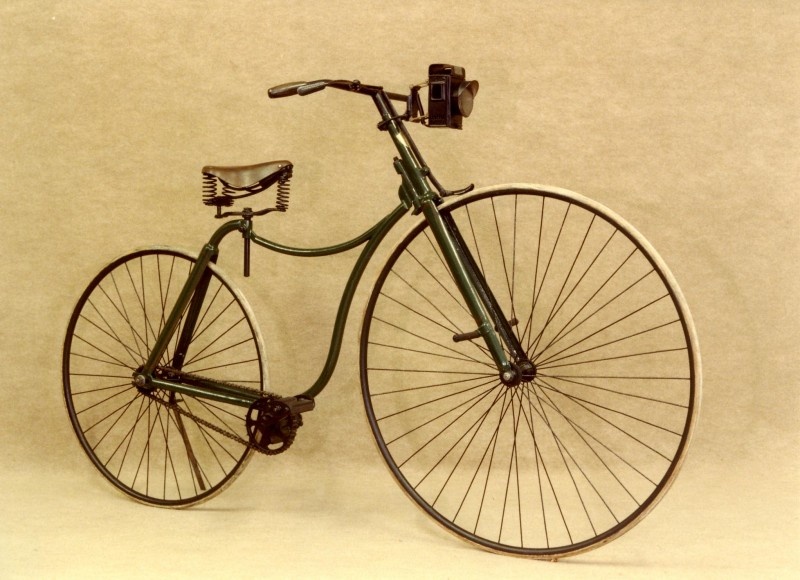
После разработки шаблона для современного велосипеда с помощью Rover Safety Bicycle 1885 года компания перешла на автоматизированная индустрия. Началось строительство мотоциклы затем автомобили с эмблемой Viking Longship 1904 года. Все производство перенесено на Завод Солихалл после Вторая Мировая Война. Land Rover автомобили были разработаны в 1948 году и добавлены к модельному ряду Rover.

Безопасный велосипед Rover 1885 года, описанный историками как первый узнаваемо современный велосипед

Левая сторона
Первый вездеход был трехколесный велосипед производства Starley & Sutton Co. из Ковентри, Англия, в 1883 году. Компания была основана Джон Кемп Старли и Уильям Саттон в 1878 году. Старли ранее работал со своим дядей Джеймсом Старли (отцом велосипедной торговли), который начал с производства швейных машин и перешел на велосипеды в 1869 году.
В начале 1880-х доступные циклы были относительно опасными. копейки и трехколесные велосипеды. J.K. Старли вошел в историю в 1885 году, выпустив вездеход. Велосипед безопасности — задний привод, цепь -приводной цикл с двумя колесами одинакового размера, что делает его более устойчивым, чем предыдущие конструкции с высокими колесами. Журнал Cycling Magazine сказал, что Rover «установил образец для мира»; фраза использовалась в их рекламе много лет. Ровер Старли обычно описывается историками как первый узнаваемый современный велосипед.[1]
Слова для «велосипеда» в Польский (гребец) и Белорусский (ро́вар, ровар) происходят от названия компании. Слово ровер (марсоход) также используется во многих частях Западной Украины.
В 1889 году компания стала J.K. Starley & Co. Ltd., а в конце 1890-х — Rover Cycle Company Ltd.
Мотоциклы Rover
В 1899 году Джон Старли импортировал некоторые из ранних Пежо мотоциклы из Франции в стадии экспериментальной разработки. Его первым проектом было установить двигатель на один из его велосипедов Rover. Старли умер в начале октября 1901 года в возрасте 46 лет, и бизнес перешел к предпринимателю. Х. Дж. Лоусон.[2]

1912 Ровер 3-х скоростной
Компания разработала и произвела Ровер Империал в ноябре 1902 года. Это был мотоцикл с ромбовидной рамой мощностью 3,5 л.с. с двигателем в центре и «пружинной» передней вилкой, опередивший свое время.[3] Этот первый мотоцикл Rover обладал инновационными функциями, такими как распылительный карбюратор, двигатель с кареткой и механически управляемые клапаны. Благодаря прочной раме с двойными передними нижними трубами и высококачественной отделкой в 1904 году было продано более тысячи мотоциклов Rover. Однако в следующем году Rover прекратил производство мотоциклов, чтобы сконцентрироваться на своем «безопасном велосипеде», но в 1910 году был продан дизайнер Джон Гринвуд. получил заказ на разработку нового двигателя мощностью 3,5 л.с. и объемом 500 куб. см с подпружиненными толкателями, магнето Bosch и инновационной приводной цепью с перевернутыми зубьями. Он имел карбюратор Брауна и Барлоу и пружинную вилку Друида. Эта новая модель была представлена на выставке Olympia 1910 года, и было продано более 500 экземпляров.
В 1913 году была выпущена модель TT с укороченной колесной базой и спортивным рулем. «Заводская команда» Дадли Ноубл и Крис Ньюсом имел некоторый успех и получил награду команды работ.[3]
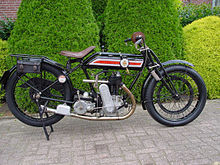
1920 Rover 500 куб.см
Компания Rover поставила на рынок одноцилиндровые мотоциклы объемом 499 куб. Русская армия вовремя Первая мировая война.[3] Компания начала уделять особое внимание производству автомобилей в конце войны, но Rover по-прежнему производил мотоциклы с верхнеклапанными двигателями объемом 248 куб. См и 348 куб. См. JAP двигатели, в том числе 676 куб. V-образный твин.[4] В 1924 году компания Rover представила новый легкий мотоцикл объемом 250 куб. См с агрегатной конструкцией двигателя и коробки передач. У него были передние и задние фонари, а также новый дизайн внутренних расширяющихся тормозов.[3]
Низкие продажи их мотоциклов заставили Rover прекратить производство мотоциклов и сосредоточиться исключительно на производстве легковых автомобилей. Между 1903 и 1924 годами Rover выпустил более 10 000 мотоциклов.[4]
Ранние автомобили Rover

1906 Шесть открытых двухместных автомобилей
В 1888 году Старли сделал электромобиль, но так и не был запущен в производство.
Через три года после смерти Старли в 1901 году и последующего поглощения Х. Дж. Лоусона компания Rover начала производить автомобили с двухместным двигателем. Rover Eight к проектам Эдмунда Льюиса, который происходил из Daimler. Льюис покинул компанию, чтобы присоединиться Дизи в конце 1905 г.

Открытый турер Twelve (Clegg) 1914 г.
В конце концов его заменил Оуэн Клегг, который присоединился к Wolseley в 1910 году и приступили к реформированию ассортимента продукции. Недолговечные эксперименты с двигателями с золотником были прекращены, и 12л.с. Модель была представлена в 1912 году. Этот автомобиль был настолько успешен, что все остальные автомобили были сняты с производства, и какое-то время Rover проводил политику «одной модели». Клегг ушел в 1912 году, чтобы присоединиться к французской дочерней компании Даррак и компания Лондон.
Вовремя Первая мировая война, они сделали мотоциклы, грузовики, чтобы Maudslay конструкции, и, не имея собственного подходящего, машины скорой помощи Солнечный лучик дизайн.
Реструктуризация и реорганизация
Бизнес был не очень успешным в течение 1920-х годов и не приносил дивидендов с 1923 года до середины 1930-х годов. В декабре 1928 года председатель Rover сообщил акционерам, что накопление значительных убытков 1923–1928 годов вместе с затратами на реорганизацию того года должно быть признано снижение стоимости капитала на 60% компании.[5][6]
В 1928 г. Фрэнк Сирл был назначен управляющим директором по надзору за восстановлением. Сирл обучался в Daimler по образованию машиниста-локомотива с опытом работы в автомобилестроении, а совсем недавно был управляющим директором Imperial Airways.

Спенсер Уилкс

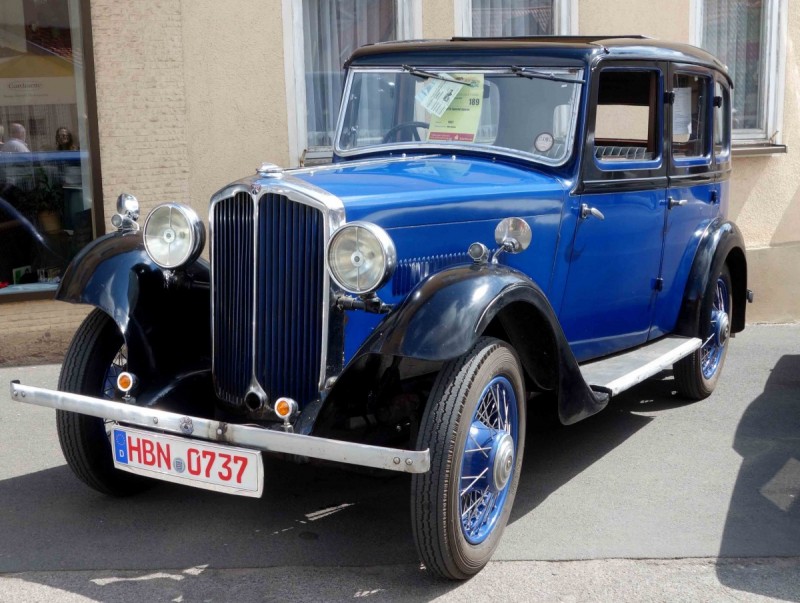
1936 г. — Ten 6-световой седан
первая машина, разработанная после того, как братья Уилкс, Спенсер и Морис присоединились к Rover
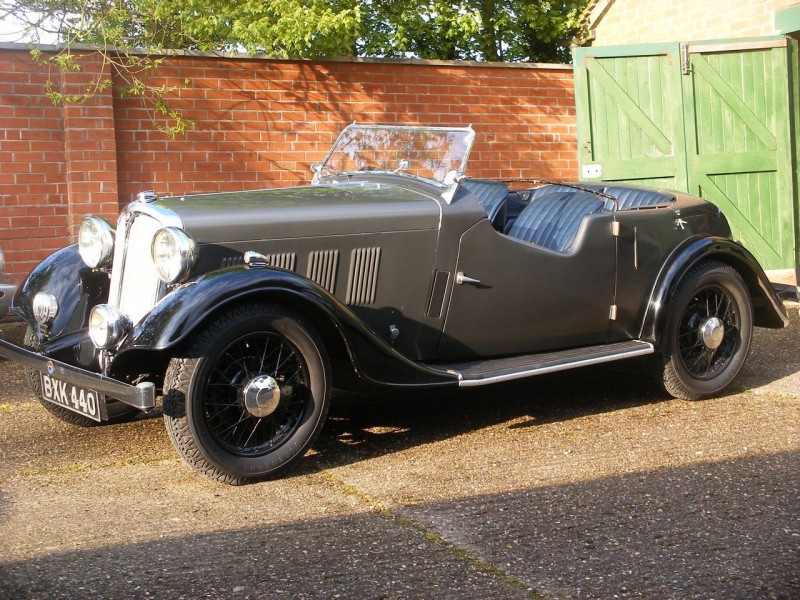
По его рекомендации Спенсер Уилкс был доставлен из Hillman в качестве генерального директора и назначен в совет директоров в 1929 году. В том же году Серл отделил Midland Light Car Bodies от Rover, чтобы сэкономить деньги.[7] и проинструктировал Роберта Бойля и Морис Уилкс спроектировать новую малолитражку.
Это был Ровер Скарабей с установленным сзади V-образным двухцилиндровым двигателем с воздушным охлаждением, объявленным в 1931 году, на Олимпии была показана версия фургона, но в производство она не пошла.[8] За это время Ровер 10/25 был представлен, с телами, сделанными Компания по производству прессованной стали. Это был тот же корпус, что и на Хиллман Минкс. До этого Ровер был большим сторонником самого легкого Weymann тела, которые внезапно вышли из моды из-за спроса на блестящие кузова и более изогнутые формы тела. Кузова Weymann оставались в заводском каталоге до 1933 года.
Фрэнк Сирл и Спенсер Уилкс приступили к реорганизации компании и продвижению ее на более высокий уровень, чтобы обслуживать людей, которые хотели чего-то «превосходящего». Форды и Остинс. В 1930 году к Спенсеру Уилксу присоединился его брат Морис, который также работал в Hillman в качестве главного инженера. Спенсер Уилкс должен был оставаться в компании до 1962 года, а его брат — до 1963 года.
Компания показывала прибыль в 1929 и 1930 годах, но с экономическим спадом в 1931 году Rover сообщил об убытках в размере 77 529 фунтов стерлингов. 1932 год принес убытки в размере 103000 фунтов стерлингов, но в результате новой реорганизации прибыль в 1933 году составила 46000 фунтов стерлингов.[9] Новые сборочные производства в Австралии и Новой Зеландии были закрыты.
Фрэнк Сирл покинул правление в конце 1931 календарного года, его работа была сделана.[7]
Опираясь на такие успехи, как избиение синий поезд впервые в 1930 г. в Гонки на синем поезде, братья Уилкс основали Rover как компанию с несколькими европейскими королевские, аристократические и правительственные ордера, а также клиенты из высшего среднего класса и звездные клиенты.[10]
Вторая мировая война и газовые турбины

В конце 1930-х гг., Предвидя возможные военные действия, которые стали Вторая мировая война, британское правительство начало программу перевооружения, и в рамках этой программы «теневые фабрики «были построены. Они оплачивались государством, но укомплектовывались персоналом и управлялись частными компаниями. Два из них находились в ведении Rover: один, в Акокс Грин, Бирмингем, начал работу в 1937 году, а второй, более крупный, в Солихалл, начатая в 1940 году. Оба были заняты на производстве авиадвигателей и планеров. Оригинальные основные работы на Хелен-стрит, Ковентри, были серьезно повреждены бомбежка 1940 года и 1941, и так и не восстановили полную производительность.

Морис Уилкс
В начале 1940 года к Rover обратился Фрэнк Уиттл работать на компанию Уиттла, Power Jets.[11] Это привело к предложению Power Jets, согласно которому Rover внесет 50 000 фунтов стерлингов капитала в обмен на акции Power Jets. Ровер связался с Министерство авиации (AM) относительно предложения, которое в конечном итоге привело к соглашению между Rover и бывшим подрядчиком Power Jets. Британский Томсон-Хьюстон (BTH) для разработки и производства реактивного двигателя Уиттла. Министерство авиации исключило Whittle и Power Jets из этих переговоров.[12] Главный инженер Rover Морис Уилкс руководил разработкой двигателя, улучшив его характеристики по сравнению с оригинальной конструкцией Whittle.[12] Первые испытательные двигатели на W.2B конструкции были построены в бывшей хлопковой фабрике в Barnoldswick, Ланкашир, куда Rover переехал в июне 1941 г. (вместе с Waterloo Mill в Clitheroe ). Испытания начались ближе к концу октября 1941 года.[13]
Потребность в повышении квалификации в рамках проекта,[12] наряду со сложными отношениями между менеджментом Rover и Фрэнком Уиттлом[14] (не в последнюю очередь потому, что Rover с одобрения AM тайно разработал другую компоновку двигателя, известную в Rover как B.26, которая, по их мнению, была лучше), что привело к тому, что Rover передал свою часть в проекте реактивного двигателя, а завод в Барнольдсвике Rolls-Royce в обмен на Метеор завод по производству двигателей для танков на Аскот-Роуд, Ноттингем, результат рукопожатия между Спенсером Уилксом Rover и Rolls-Royce Эрнест Ульс сделано в местной гостинице в Клитеро.[15] Официальная дата передачи — 1 апреля 1943 г.[13] хотя было значительное совпадение, и несколько ключевых сотрудников Rover, таких как Адриан Ломбард и Джон Херриот, последний находился в Ровере по прикомандированию из отдела воздушного контроля (AID) AM, перешел в Роллс-Ройс. В обмен на проект реактивного двигателя и его оборудование, Rover получил контракт и производственное оборудование для производства двигателей для танков Meteor.[14] который продолжался до 1964 года. Хотя Rolls-Royce под Стэнли Хукер вскоре смогли начать производство двигателя W.2B / 23, разработанного Уиттлом (известного в Rover как B.23, позже названного Rolls-Royce Хорошо и ), они оценили 4 двигателя Rover W.2B / B.26, перепроектированных Ломбардом / Эрриотом, которые тестировались во время поглощения, и выбрали дизайн Rover для разработки собственного реактивного двигателя (он стал Роллс-Ройс Дервент двигатель).
После Второй мировой войны компания покинула Хелен-стрит и купила две фабрики теней. Некоторое время Акокс Грин занимался производством двигателей Meteor для таких танков, как Центурион и Завоеватель, и Солихалл стал новым центром производства автомобилей, производство которого возобновилось в 1947 году. В этом году Rover выпустил Rover 12 Sports Tourer. 200 автомобилей были построены для экспортного рынка, но все они были с правым рулем, поэтому многие машины остались в Великобритании. Солихалл станет домом для Land Rover.
Экспериментальные автомобили

JET 1

Экспериментальная машина с газовой турбиной
Несмотря на трудности, возникшие с проектом реактивного двигателя, Rover был заинтересован в разработке газотурбинного двигателя для транспортных средств.[16] В 1945 году Rover нанял инженеров Фрэнка Белла и Спен Кинг ушел из Rolls-Royce, чтобы помочь Морису Уилксу в разработке автомобильных газовых турбин.[17] К 1949 году команда разработала турбину, которая работала со скоростью 55000 об / мин.[17] производил более 100 лошадиных сил (75 кВт),[18] и мог работать на бензине, парафин, или же дизель масло.[19] Первые газотурбинные двигатели Rover потребляли топливо гораздо быстрее, чем поршневые двигатели, что эквивалентно 6 милям на британский галлон (5,0 миль на галлон).-НАС; 47 л / 100 км). Хотя позже расход топлива был уменьшен за счет использования теплообменник, он никогда не был таким низким, как у современных поршневых двигателей.[19]
В марте 1950 года Rover показал JET1 прототип, первый автомобиль с газовая турбина двигатель, для публики.[20] JET1, открытый двухместный турист, двигатель располагался за сиденьями, воздухозаборные решетки по обе стороны от автомобиля,[21] и выпускные отверстия в верхней части хвоста.[22] Во время испытаний автомобиль достиг максимальной скорости 88 миль в час (142 км / ч).[нужна цитата ] После показа в Соединенном Королевстве и США в 1950 году,[23] JET1 получил дальнейшее развитие,[24] и прошел скоростные испытания на Джаббеке шоссе в Бельгии в июне 1952 г.,[25] где он превышал 150 миль в час (240 км / ч).[26] JET1 в настоящее время выставлен на Лондонский музей науки.
Были построены еще четыре прототипа: седаны T2 с передним расположением двигателя на базе P4 и седаны T2A с задним расположением двигателя.[27] заднемоторный полноприводный Т3 купе,[28] и переднеприводный седан Т4 с передним расположением двигателя.[29]
Rover и команда BRM Formula One объединили усилия, чтобы произвести Ровер-БРМ, спортивный прототип с газотурбинным двигателем, который вошел в 1963 г. 24 часа Ле-Мана, которую вел Грэм Хилл и Ричи Гинтер.[30] Он составлял в среднем 107,8 миль в час (173 км / ч) и имел максимальную скорость 142 миль в час (229 км / ч).
Rover также провел несколько экспериментальных дизель проекты в отношении Land Rover. 2-литровый дизельный агрегат мощностью 52 л.с. (39 кВт), спроектированный и изготовленный Rover для своих 4×4 был запущен в производство в 1956 году и был одним из первых современных высокоскоростных автомобильных дизельных двигателей в Великобритании. Были предприняты экспериментальные проекты для улучшения мощности двигателя, его ходовых качеств и топливных допусков. Британская армия Требования привели к разработке многотопливной версии 2,25-литрового варианта двигателя в 1962 году, который мог работать на бензине, дизель, Джет-А, или же керосин. Однако выходная мощность двигателя при работе на низкосортном топливе была слишком низкой для использования в армии. Rover разработал высокоразвитую (для того времени) турбодизель версия своего двигателя в середине 1960-х годов, чтобы привести в действие его экспериментальный 129-дюймовый сверхмощный Land Rover конструкции. Этот 2,5-литровый двигатель использовал турбокомпрессор построенный подразделением газовых турбин Rover, а также интеркулер. Это был один из первых случаев, когда эти функции были включены в дизельный агрегат такой малой мощности, но они не были приняты.
После поглощения Leyland Motor Corporation газовая турбина Rover использовалась в ряде грузовиков Leyland, в том числе в одном, показанном на Коммерческом автосалоне 1968 года. Газовые турбины Rover также приводили в действие первые Улучшенный пассажирский поезд.
Золотые годы

Первый серийный Land Rover (HUE 166) 1948 г.

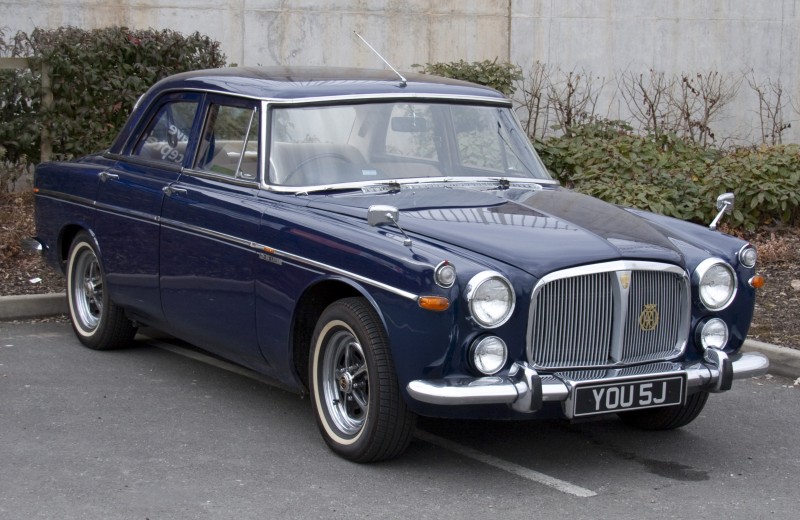
1950-е и 60-е годы были плодотворными для компании. В Land Rover стал безоговорочным успехом (несмотря на репутацию компании Rover, производящей элитные седаны, утилитарный Land Rover был фактически крупнейшим продавцом компании в 1950-х, 60-х и 70-х годах), а также седаны P5 и P6, оснащенные 3.5L (215ci) алюминиевый V8 (конструкция и оснастка приобретены у Бьюик ) и новаторские исследования автомобилей с газотурбинными двигателями.
К концу 60-х Rover работал над рядом инновационных проектов. Купив Алвис в 1965 году компания Rover работала над двигателем V8. суперкар продавать под именем Alvis. Прототип, названный P6BS, был завершен, и было составлено окончательное дизайнерское и инженерное предложение P9. Rover также работал над проектом P8, целью которого было заменить существующий большой седан P5 современным дизайном, аналогичным по концепции увеличенному P6.
Когда Leyland Motors присоединился к British Motor Holdings и Ровер и Ягуар стали корпоративными партнерами, эти проекты были отменены, чтобы предотвратить внутреннюю конкуренцию с продуктами Jaguar. В частности, P8 был отменен на очень поздней стадии подготовки — Rover уже заказал штампы и штамповочное оборудование для изготовления панелей кузова автомобиля на Прессованная сталь когда приказано прекратить работу.
Rover продолжил разработку своего «100-дюймового универсала», который стал новаторским. Range Rover, выпущенный в 1970 году. Он также использовал бывший двигатель Buick V8, а также инновационную конструкцию конструкции рамы безопасности P6 и такие функции, как постоянный полноприводный автомобиль и всесторонний дисковые тормоза. Range Rover изначально разрабатывался как внедорожник, который мог предложить внедорожные возможности Land Rover, но в более изысканном и похожем на автомобиль пакете.

Слияния с LMC и BL

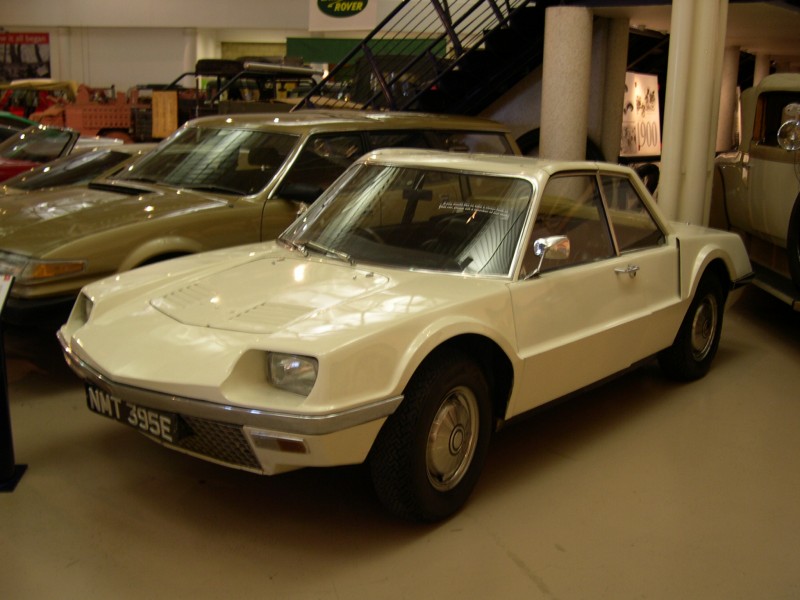
Этот прототип Rover для спортивного автомобиля со средним двигателем был показан прессе в 1967 году, но политика после слияния BLMC помешала, и модель так и не пошла в производство.
В 1967 году Rover стал частью Leyland Motor Corporation (LMC), который уже владел Триумф. В следующем году LMC объединилась с British Motor Holdings (BMH), чтобы стать Британская Leyland Motor Corporation (BLMC). Это было началом конца для независимой компании Rover, поскольку наследие компании из Солихалла утонуло в печально известных производственных отношениях и управленческих проблемах, которые преследовали британскую автомобильную промышленность на протяжении 1970-х годов.
Модели

Выпущен до слияния независимой компании Rover Company (1904–1967)
- 1904–1912 Ровер 8
- 1906–1910 Ровер 6
- 1906–1907 Ровер 10/12
- 1906–1910 Ровер 16
- 1906–1910 Ровер 20
- 1909–1912 Ровер 12 2-цилиндровый
- 1908–1911 Ровер 15
- 1910–1912 Ровер 12 рукав-клапан
- 1912–1913 Ровер 18
- 1912–1923 Ровер 12 Клегг
- 1919–1925 Ровер 8
- 1922–1923 Ровер 6/21
- 1924–1927 Ровер 9 /20
- 1925–1927 Ровер 14/45
- 1926–1929 Ровер 16 /50
- 1929–1930 Ровер Лайт Шесть
- 1930–1931 Ровер Лайт Двадцать
- 1927–1947 Ровер 10
- 1927–1932 Rover 2-литровый
- 1932–1934 Ровер Meteor 16HP / 20HP
- 1931–1940 Скорость вездехода 20
- 1932–1933 Rover Pilot / Speed Pilot
- 1932–1932 Ровер Скарабей
- 1934–1947 Ровер 12
- 1934–1947 Ровер 14 / Скорость 14
- 1937–1947 Ровер 16
- 1947–1948 Rover 12 Sports Tourer
- 1948–1978 Ленд Ровер (I / II / III) —В 1978 г. компания BL создала Land Rover Limited как отдельная дочерняя компания; она взяла на себя производство Land Rover.
- 1948–1949 Rover P3 (60/75)
- 1949–1964 Rover P4 (60/75/80/90/95/100/105/110)
- 1958–1973 Rover P5 (3 литра / 3,5 литра)
- 1963–1976 Rover P6 (2000/2200/3500)
Смотрите также

Сертификат акций Rover 1964 года
- Ровер (марки)
- Британский Лейланд
- Остин Ровер Групп
- Группа Ровер
- MG Rover Group
- Land Rover
- Ягуар Ленд Ровер
Примечание
- ^ «… и я искренне верю (за исключением Rolls-Royce), что сегодня в мире не существует лучшего автомобиля». Боб Дирборн, тестировщик Дорога и трек. Дорожный тест № F-4-52, август 1952 г. Времена, Четверг, 23 октября 1952 г .; стр. 5; Проблема 52450
Рекомендации
- ^ «Велосипедный рынок: переход на скоростную полосу». Независимый. 26 февраля 2018.
- ^ Филлипс, Кевин. «Ровер — Как все начиналось». Получено 6 февраля 2009.
- ^ а б c d Де Сет, Мирко (2005). Квентин Дэниел (ред.). Полная энциклопедия классических мотоциклов. Rebo International. ISBN 978-90-366-1497-9.
- ^ а б «Краткая история марки: Rover». Получено 3 февраля 2009.
- ^ Городские заметки. Rover’s 60p.c. Убыток капитала. Времена, Понедельник, 3 декабря 1928 г .; стр. 23; Проблема 45066
- ^ Высокий суд справедливости. Канцелярия., Уменьшение капитала Времена, Вторник, 12 февраля 1929 г .; стр. 5; Проблема 45125
- ^ а б «Ровер». Британский автомобильный музей. Архивировано из оригинал 27 сентября 2011 г.. Получено 30 марта 2011.
- ^ «Дорога, которая вела к жуку». Легкий Авто. Получено 30 марта 2011.
- ^ Компания Rover, значительная торговая прибыль, высокое качество автомобилей компании Времена, Вторник, 10 октября 1933 г .; стр. 21; Проблема 46571
- ^ Робсон, Грэм (1981). Компания Ровер (2-е изд.). Патрик Стивенс. ISBN 0-85059-543-6.
- ^ Боббит 2007, п. 72.
- ^ а б c Боббит 2007, п. 73.
- ^ а б Викинги в Ватерлоо, Дэвид С. Брукс, Rolls-Royce Heritage Trust, ISBN 1 872922 08 2,1996
- ^ а б Боббит 2007, п. 74.
- ^ Боббит 2007 С. 73–74.
- ^ Боббит 2007 С. 74–75.
- ^ а б Боббит 2007, п. 75.
- ^ Боббит 2007, п. 77.
- ^ а б Боббит 2007, п. 78.
- ^ Боббит 2007, п. 82.
- ^ Боббит 2007, п. 76.
- ^ Боббит 2007, п. 81.
- ^ Боббит 2007, п. 84.
- ^ Боббит 2007 С. 84–85.
- ^ Боббит 2007, п. 86.
- ^ Боббит 2007, п. 87.
- ^ Боббит 2007 С. 89–91.
- ^ Боббит 2007 С. 92–94.
- ^ Боббит 2007, п. 97.
- ^ Боббит 2007 С. 100–101.
- Боббит, Малкольм (2007) [1994]. «III — Газовые турбины и эра реактивных двигателей». Rover P4 серии (переработанная ред.). Дорчестер, Великобритания: Veloce Publishing. ISBN 978-1-903706-57-2. Получено 17 октября 2014.
внешняя ссылка
- Кейт Адамс Остин Ровер / Группа Ровер / Ресурс MG Rover
- Каталог архивов Rover, проходивший в Центр современных записей, Уорикский университет
- Каталог из собрания документов Paul Worm Automotive Industrial Relations, касающихся Rover, проходившей в Modern Records Center Университета Уорвика
|
Автомобили производства BL Остин Ровер, BL Ленд Ровер, Группа Ровер, MG Rover, НАК МГ, MG Motor, Остин -Vanden Plas и Ровер -Vanden Plas с 1980 г. |
|||||||||||||||||||||||||||||||||
|---|---|---|---|---|---|---|---|---|---|---|---|---|---|---|---|---|---|---|---|---|---|---|---|---|---|---|---|---|---|---|---|---|---|
| Тип | 1980-е | 1990-е | 2000-е | 2010-е | |||||||||||||||||||||||||||||
| 0 | 1 | 2 | 3 | 4 | 5 | 6 | 7 | 8 | 9 | 0 | 1 | 2 | 3 | 4 | 5 | 6 | 7 | 8 | 9 | 0 | 1 | 2 | 3 | 4 | 5 | 6 | 7 | 8 | 9 | 0 | 1 | 2 | 3 |
| Владение | BL plc / Группа Ровер | British Aerospace | BMW | Phoenix Venture Holdings | Нанкин Авто / SAIC | ||||||||||||||||||||||||||||
| Название группы | BL Автомобили | Остин Ровер Групп / Группа Ленд Ровер | Группа Ровер | MG Rover Group | НАК МГ / MG Motor | ||||||||||||||||||||||||||||
| Городская машина | Мини | ||||||||||||||||||||||||||||||||
| Супермини | Остин Метро | Ровер Метро | Ровер 100 | CityRover | MG 3 SW | MG 3 | |||||||||||||||||||||||||||
| Остин Аллегро | Остин Маэстро / Ровер 200 (SD3) | Ровер 200 (R8) | |||||||||||||||||||||||||||||||
| Компактный | Признание Триумфа | Ровер 400 (R8) | Ровер 200 (R3) | Ровер 25 / MG ZR | MG 5 | ||||||||||||||||||||||||||||
| Остин Макси | Остин Монтего | Ровер 400 (HH-R) | Ровер 45 / MG ZS | MG 6 | |||||||||||||||||||||||||||||
| Среднего размера | Моррис Итал | Ровер 600 | Ровер 75 / MG ZT | MG 7 | |||||||||||||||||||||||||||||
| Принцесса | Остин посол | MG 750 | |||||||||||||||||||||||||||||||
| Исполнительный | Ровер SD1 | Ровер 800 (XX) | Ровер 800 (R17) | MG ZV | |||||||||||||||||||||||||||||
| Купе | Rover 200 Купе | ||||||||||||||||||||||||||||||||
| Спортивная машина | Триумф TR7 | MG RV8 | MG F | MG TF | MG TF | ||||||||||||||||||||||||||||
| MG SV | |||||||||||||||||||||||||||||||||
| Внедорожный иВнедорожник | Ленд Ровер SIII | Ленд Ровер 90/110 | Ленд Ровер Защитник | Land Rover был приобретен Форд в 2000 г. теперь принадлежит Тата | |||||||||||||||||||||||||||||
| Range Rover | |||||||||||||||||||||||||||||||||
| Ленд Ровер Дискавери | |||||||||||||||||||||||||||||||||
| Ленд Ровер Фрилендер |
|
British Leyland — автомобильные компании и марки |
|||||||||||||||||||||||||||||||||||||||||||||||||||||||||||
|---|---|---|---|---|---|---|---|---|---|---|---|---|---|---|---|---|---|---|---|---|---|---|---|---|---|---|---|---|---|---|---|---|---|---|---|---|---|---|---|---|---|---|---|---|---|---|---|---|---|---|---|---|---|---|---|---|---|---|---|
| Marque | 1900-е годы | 1910-е годы | 1920-е годы | 1930-е годы | 1940-е годы | 1950-е годы | 1960-е | 1970-е годы | 1980-е | 1990-е | 2000-е | 2010-е | |||||||||||||||||||||||||||||||||||||||||||||||
| Ягуар | Автомобили СС | Ягуар | Ягуар & Daimler |
BMH | BLMC / British Leyland | Ягуар & Daimler |
Форд (PAG ) | Тата | |||||||||||||||||||||||||||||||||||||||||||||||||||
| Daimler | Daimler | BSA | BSA | ||||||||||||||||||||||||||||||||||||||||||||||||||||||||
| Lanchester | Lanchester | ||||||||||||||||||||||||||||||||||||||||||||||||||||||||||
| Ровер | Компания Rover | Компания Rover | Компания Rover | Остин Ровер Групп & Группа Ленд Ровер (BL plc ) |
Группа Ровер (BAe ) | Группа Ровер (BMW ) |
MG Rover Group (ПВХ ) | ||||||||||||||||||||||||||||||||||||||||||||||||||||
| Land Rover | Форд (PAG ) | ||||||||||||||||||||||||||||||||||||||||||||||||||||||||||
| Алвис | Алвис | BAE Systems | |||||||||||||||||||||||||||||||||||||||||||||||||||||||||
| Стандарт | Стандарт | Стандарт Триумф | Leyland Motors | Британское автомобильное наследие | |||||||||||||||||||||||||||||||||||||||||||||||||||||||
| Триумф | Доусон | Триумф | BMW | ||||||||||||||||||||||||||||||||||||||||||||||||||||||||
| Райли | Райли | Наффилд Организация | BMC | BMH | |||||||||||||||||||||||||||||||||||||||||||||||||||||||
| MG | Моррис Гараджес (МГ) | Группа Ровер (BMW ) |
MG Rover Group (ПВХ ) | SAIC & НАК |
SAIC | ||||||||||||||||||||||||||||||||||||||||||||||||||||||
| Моррис | Моррис | Моррис | |||||||||||||||||||||||||||||||||||||||||||||||||||||||||
| Wolseley | Wolseley | ||||||||||||||||||||||||||||||||||||||||||||||||||||||||||
| Остин | Остин | Остин | |||||||||||||||||||||||||||||||||||||||||||||||||||||||||
| Vanden Plas | Vanden Plas | ||||||||||||||||||||||||||||||||||||||||||||||||||||||||||
| Мини | BMW | ||||||||||||||||||||||||||||||||||||||||||||||||||||||||||
| Принцесса | BMC | BLMC / British Leyland | |||||||||||||||||||||||||||||||||||||||||||||||||||||||||
| Остин-Хили | Остин (BMC ) & Дональд Хили | ||||||||||||||||||||||||||||||||||||||||||||||||||||||||||
| Marque | 1900-е годы | 1910-е годы | 1920-е годы | 1930-е годы | 1940-е годы | 1950-е годы | 1960-е | 1970-е годы | 1980-е | 1990-е | 2000-е | 2010-е | |||||||||||||||||||||||||||||||||||||||||||||||
Видео изготовления раннего мотоцикла Rover:https://www.facebook.com/thevintagenews/videos/656478785160217/
У этого термина существуют и другие значения, см. Ровер.
| Rover Group | |
|---|---|
 |
|
| Тип | акционерное общество |
| Основание | 1975 |
| Упразднена | 2000 |
| Причина упразднения | распалась |
| Преемник |
Mini Land Rover MG Rover Group |
| Расположение |
|
| Отрасль | автомобилестроение |
| Продукция | легковые автомобили |
| Материнская компания | British Leyland Motor Corporation |
| Дочерние компании |
Leyland Motors (до 1987) Land Rover Austin Rover позднее Rover Cars |
 Медиафайлы на Викискладе Медиафайлы на Викискладе |
Rover Group — британская государственная компания, производитель транспортных средств. В период со времени основания в 1975 году по 1986 год называлась British Leyland. С 1988 года по 1994 год владельцем компании была корпорация British Aerospace. В 1994 году компания была продана концерну BMW, в 2000 году компания была окончательно ликвидирована, а её бренды Rover и MG были приобретены компанией MG Rover Group.
Модели[править | править код]
Модельный ряд автомобилей, выпускавшихся компанией Rover Group.
- Rover 800 (1991—1998)
- Rover 200 (1989—1999)
- Rover 400 (1989—1999)
- Rover Metro/Rover 100 (1990—1997)
- Rover 600 (1993—1999)
-

Rover 820
-

Rover 200 (1989-1994)
-

Rover 200 (1995-1999)
-

Rover 400 (1989-1994)
-

Rover 400 (1995-1999)
-

Rover Metro (1990-1994)
-
Rover 100 (1995-1997)
-

Rover 620ti


Автомобильная индустрия Великобритании |
|
|---|---|
| Производители коммерческих автомобилей текущие |
|
| Производители коммерческих автомобилей бывшие |
|
| Производители легковых автомобилей текущие |
|
| Производители легковых автомобилей бывшие |
|
|
|
Это «статья-заготовка» о производителе автомобилей. Вы можете помочь проекту, дополнив эту статью, как и любую другую в Википедии. Нажмите и узнайте подробности. |

|
|
В статье не хватает ссылок на источники (см. также рекомендации по поиску). Информация должна быть проверяема, иначе она может быть удалена. Вы можете отредактировать статью, добавив ссылки на авторитетные источники в виде сносок. (7 июня 2019) |

- Статья опубликована 08.07.2014 19:26
- Последняя правка произведена 29.07.2015 16:39
| Полное название: | Rover Company |
| Другие названия: | Rover |
| Существование: | 1887 — наши дни |
| Расположение: |  Великобритания: Ковентри Великобритания: Ковентри |
| Ключевые фигуры: | Джон Старли, Уильям Саттон |
| Продукция: | велосипеды (до 1925 года); мотоциклы (до 1925 года); автомобили |
| Модельный ряд: |
Автомобильная компания «Rover», штаб которой находится в Великобритании, специализируется на разработке внедорожников и автомобилей «Rover» и «Land Rover».
История этого предприятия берет начало в 1887. Уилльям Саттон и Джон Кемп Старли наладили производство, по изготовлению велосипедов и в 1889 г. компания начинает выпуск первых автомобилей. Поначалу они представлялись обычными экипажами, со слабым двигателем, мощностью всего 8 л.с., первой моделью была — Rover 8. Благодаря своим характеристикам, эта модель довольно хорошо продавались. Rover 8 оснащался реечным управлением, рычагом передач, который располагался на колонке, и вскоре компании удалось прорваться на авторынок средних классов, создавая усовершенствованные и привлекательные внешне модели как — Rover 12, представленный публике в 1911 г. 28 сильный двигатель, которым была оснащена эта модель, развивал скорость до 80 км, чем несомненно радовал.

Rover 12
Обновленный Rover 12, выдававшийся под названием Rover 14, помогает компании в 1918 г. отвоевать рынок и Rover 8, потерявший свою популярность в 1924, заменен на усовершенствованную модель — Rover 9/20 впрочем, особой популярностью она равным образом не пользовалась. Приглашенный норвежский авто дизайнер — Питер Поппе, берется за — Rover 14, который уже давно морально устарел, и разрабатывает Rover 14/45, просто с революционным на то время верхневальным двигателем и так званой полусферической камерой для сгорания топлива. Но в 1925, была сменена новой, под названием 16/50, с обновленным мотором объема 2,4 л. Однако, не совсем удавшаяся 9/20 вскоре обновилась в 1928 г. и сменила название на: Rover Ten.
Тот же 1928 г. явил миру именитую модель под названием Rover 16hp Light Six. Питер Поппе оснастил ее новым 6 — цилиндровым двигателем и на сей раз двигатель получился на славу, и именно данный автомобиль смог перегнать Голубой Экспресс — самый быстроходный поезд на то время, курсировавший от юго — восточно берега и до самого Ла-Манша во Франции. Компания Ровер наслаждалась своими лаврами!
В 30-ых компания пыталась вырваться на рынок автопроизводителей средних классов. И в 1932 состоялся дебют быстрого Rover 14 Speed, он разгонялся чуть не до 130 км./ч. Модель получилась довольно стильной: нежная кожаная обшивка салона, фешенебельная отделка и всевозможные вставки из отполированного шпона, заложили основу дальнейшей популярности Rover, как производителя изящных и главное быстрых авто с изысканным интерьером. Ряд обновили в 1934 г. и модели 10, 12, 14 расширились моторами 1.4, 1.5 и 1.6 л. Свежий дизайн, созданный в общем стиле вошедший в историю под серией P1.
В 1939, с началом войны, мощности производства были полностью переоснащены под военные нужды, и компания поставляла для Великобританской армии авиационные алюминиевые крылья, силовые установки, двигателя, также отличилась обеспечением для истребителей Gloster реактивных турбин.
По окончанию второй мировой, компания Rover начинает производить модель P2. Создана она была еще до начала мировой войны. Чтобы не обанкротится в тяжелый послевоенный период, компании пришлось впервые выдать модель P2, с левосторонним рулем. Впоследствии в 1946, без мала, половина автомобилей экспортируется, а в последующем году на экспорт ушло до 75% авто.
Под конец 40-х Rover нацелена на высшую среднюю категорию автомобилей и новая P3 получает, наконец, целиком металлический каркас, переднюю независимую подвеску и гидравлические тормоза, но пока, только спереди. Новейший двигатель, которым оснастили P3, был таков, что нужно на то время. Изготавливались две модификации, название которых зависело от мощности: это Rover 60 и Rover 75 их мощность соответствующе 60 и 75 л.с. P3, по сути, была переходной ланкой и изготавливалась еще до конца 40-ых г., пока автомобиль уже явно не устарел.
Вторая половина 20-го века
1949 год, становится переломным и компания Rover оказывается лидером автомобильного дизайна, и этому способствует недавно произведенный Rover P4., чей внешний вид разрабатывал штатный дизайнер — Морис Вилкс. Rover 75 – изготавливали с известным 6-цилиндровым монстром, мощностью 75 л.с. Гидромеханические тормоза уступили гидравлическим, которые унаследовали у модели P3 в 1950.

rover p4
Модификация P4 — 60 c 4-цилиндрами и P4 — 90 с 6-цилиндрами, впервые выходит на рынок в 1953, а уже 1955 терпят изменения и внешние данные автомобиля. Тормозной усилитель и новаторская, более мощная P4 105, появилась в 1956 г., ее выпускали с обычной и механической коробкой у P4 105S. Так же индивидуальная АКПП Roverdrive — P4 105R, которая в итоге оказалась первой в мире моделью с коробкой автомат. Rover P4 изготавливалась до 1964 г., и за полтора десятка лет, заработала славу самой бесшумной, стильной, технически безупречной и надежной машиной.
Когда компания Rover создала модель P5 в 1958г., сомнений не было, что это оказался ответ Jaguar и ее небезуспешному Mk VIII. Дэвид Бач стал дизайнерским творцом P5 и следует отдать ему за это должное, автомобиль получился довольно стильным. Модель P5 была рассчитана на длительную, комфортную поездку с высокой скоростью, а 1962 год порадовал P5 Coupe. Вскоре, в 1963 г., мощь двигателя увеличивают до 134 л.с, а в 1966 модель снова обновляют. Когда в 1968 появляется P5 с лицензированным двигателем Buick V-8, это был настоящий шок. Данный двигатель в раз разрешил все мельчайшие вопросы с динамикой. Модифицированная P5B — от Buick, мощностью 160 л.с., легко соперничала с любой моделью Jaguar того периода. Модель получилась настолько хорошей, что ее прекратили изготавливать лишь в 1973 г., успев выпустить около 70000 авто. Доказательством того, что авто было высочайшего уровня это то, что модель надолго устроилась в Королевском автопарке и ее активно эксплуатировала сама Королева.
Турбированный концепт Rover Jet 1, устанавливали на шасси P4, и его протестировал лично Питер Вилкс. На шоссе он ускорился до — 240 км/ч, с учетом того, что просто побоялся надавить на педаль посильнее. Автомобили Rover с идентичным двигателем достигли приличных результатов в автомобильном спорте. Ричи Гинтер и Грэхем Хилл, управляя Rover-BRM в 1963г., установили мировой рекорд, в средней скорости, на легендарных авто состязаниях «24-часа Ле-Мана», в 1965 г. они этот успех повторили. На автовыставке 1961г, публике явили газотурбинный концепт T4, который явно указывал на грядущий серийный P6.

rover p6
Публика увидела Rover P6 в 1963, он удачно комбинировавший в себе качество конструкции и сборки. Это сделало его иконой компактного авто «бизнес» класса. Пресса и публика были в настоящем восторге от увиденного, и в тот же год автомобиль завоевал первенствующее место на состоявшемся авто конкурсе — «Автомобиль Года». Rover P6 3500S, именно так обозначали версию с V- образным мотором с 8 цилиндрами, который установили на модель P6 в 1971 г., отличался большими тормозными дисками и широкими покрышками.
В 1966 г. случилось грандиозное слияние Rover и Leyland («Лейланд»). Эта компания в итоге стала государственным заводом British Leyland. Rover SD1, заместивший на конвейере в одночасье P5 и P6, и имевший невероятно агрессивный дизайн, позаимствованный у Ferrari Daytona. Его выпустили в 1976, как hatchback с 155 — сильным и 3,5 литровым V- образным агрегатом. Дерзкий дизайн, модный салон и отменное вождение позволили ему в 1977 завоевать первенство «Автомобиля Года». Так же в 1977 выходит версия SD1, которая оснащалась двумя двигателями с 6 цилиндрами 2,4 и 2,6 л.
Для «Ровер» в кризисные 70-е Алек Иссигонис разрабатывает собственный Mini, его выпуск продолжался до 2000 г.
Технический порядок компании, который был перестроен в 1983, вынудил подразделение Rover занимающееся в спортивной области, подготовить свежую вариацию авто и в результате он получился чрезвычайно быстрым и одержал серию побед в тот же год, а в 1984 Rover выиграл чемпионат. Так же смело Rover побеждает на соревнованиях в Германии DTM в 1986, попросту сокрушив Mercedes и BMW у них же дома. Для прохождения «омологации» нового болида, компании удалось выпустить Rover SD1 Vitesse. Автомобиль оказался не такой комфортный, но выделялся восхитительным вождением, и ускорялся до 100 км почти за 8 с.!

rover 200
Компактный, переднеприводной Rover 200, он являлся видоизмененной Honda Civic. Сотрудничество предусматривало разработку совместного и свойственного для Ровера громоздкого седана, и впоследствии им стает Rover 800, выпуск которого начался в 1986. Он был оборудован 2,0 литровым двигателем Rover и более мощным V6, производства компании Honda. Rover 200 обновился в 1989, также началось производство Rover 400, он является развитием серии 200.

rover 6r4
В 80-е, также была создана и альтернативная достаточно известная модель, это полноприводный Rover Metro 6R4, оснащенный мотором с V-образной шестерней. На Туринском автосалоне в 1986, представили вариацию с турбодвигателем, объем которого 2,4 л., он позволял разгонятся до 152 км.
Старт следующему Rover 800 был дан в 1992, а два года позже выходит версия Coupe. Rover 600 вышедший в 1993, собой заполнил пустующую ланку, между Rover 400 и Rover 800. В 1994, после того как Ровер оказался под влиянием BMW, модельный ряд обновился и выпустили модели 200-й и 400-й серий.
Под конец 1998 года миру представили Rover 75.
Если вас интересует современная история компании Rover, то какое место они занимают в современном автомобильном мире, хотите ознакомиться с их текущим модельным рядом и ценами, то смотрите здесь.
This article is about the company acquired by Leyland Motors in 1967. For the company sold in 1988, see Rover Group. For the marque, see Rover (marque).
|
|
| Industry | Automotive industry Motorcycle industry (until 1925) Bicycle industry (until 1925) |
|---|---|
| Founded | 1878; 145 years ago |
| Founder | John Kemp Starley & William Sutton |
| Defunct | 1967; 56 years ago |
| Fate | Merged into Leyland Motors |
| Successor | British Leyland Motor Corporation |
| Headquarters | England: Coventry, West Midlands (1904–47) Solihull, West Midlands (1947–1967) |
|
Key people |
Spencer & Maurice Wilks (Management & Engineering, 1929–63) John Towers |
| Products | Rover Automobiles Motorcycles (until 1925) Bicycles (until 1925) Land Rover All terrain vehicles |
| Subsidiaries | Alvis Cars (1965–67) |
The Rover Company Limited was a British car manufacturing company that operated from its base in Solihull in Warwickshire. Its lasting reputation for quality and performance was such that its first postwar model reviewed by Road & Track in 1952 was pronounced finer than any but a Rolls-Royce.[note 1] Rover also manufactured the Land Rover series from 1948 onwards, which spawned the Range Rover in 1970, and went on to become its most successful and profitable product — with Land Rover eventually becoming a separate company and brand in its own right.
Rover was sold to Leyland Motors in 1967, who had already acquired Standard-Triumph seven years earlier. Initially, Rover maintained a level of autonomy within the Leyland conglomerate, but by 1978, Leyland — by then British Leyland (BL) — had run into severe financial difficulties and had been nationalized by the British Government. Most of the assets of the former Rover Company were moved into a new BL subsidiary named Land Rover Ltd whilst the Rover marque itself continued to be used on other BL products which relied largely on Honda engineering. Nevertheless, Rover ultimately became the most prolific brand within BL and gave its name to the entire conglomerate in the form of the Rover Group in 1986, of which MG, Mini and Land Rover remained a part until the Rover Group was broken up by BMW in 2000.
Currently, the Rover marque is the dormant property of the Rover Company’s de facto successor — Jaguar Land Rover (owned by Tata Motors), which still operates out of Rover’s Solihull plant.
History[edit]
Early history[edit]

1885 Rover safety bicycle
After developing a template for the modern bicycle with its Rover Safety Bicycle of 1885, the company moved into the automotive industry. It started building motorcycles then cars using their Viking Longship badge from 1904. All production moved to the Solihull plant after World War II. Land Rover vehicles were developed in 1948 and added to the Rover range.
The first Rover was a tricycle manufactured by Starley & Sutton Co. of Coventry, England, in 1883. The company was founded by John Kemp Starley and William Sutton in 1878. Starley had previously worked with his uncle, James Starley (father of the cycle trade), who began by manufacturing sewing machines and switched to bicycles in 1869.
In the early 1880s, the cycles available were the relatively dangerous penny-farthings and high-wheel tricycles. J.K. Starley made history in 1885 by producing the Rover safety bicycle—a rear-wheel-drive, chain-driven cycle with two similar-sized wheels, making it more stable than the previous high-wheel designs. Cycling Magazine said the Rover had «set the pattern to the world»; the phrase was used in their advertising for many years. Starley’s Rover is usually described by historians as the first recognisably modern bicycle.[1]
The words for «bicycle» in Polish (rower) and Belarusian (ро́вар, rovar) are derived from the name of the company. The word ровер (rover) is also used in many parts of Western Ukraine.
In 1889, the company became J.K. Starley & Co. Ltd., and in the late 1890s, the Rover Cycle Company Ltd.
Rover motorcycles[edit]
In 1899 John Starley imported some of the early Peugeot motorcycles from France in for experimental development. His first project was to fit an engine to one of his Rover bicycles. Starley died early in October 1901 aged 46 and the business was taken over by entrepreneur H. J. Lawson.[2]
The company developed and produced the Rover Imperial motorcycle in November 1902. This was a 3.5 hp diamond-framed motorcycle with the engine in the centre and ‘springer’ front forks which was ahead of its time.[3] This first Rover motorcycle had innovative features such as a spray carburettor, bottom-bracket engine and mechanically operated valves. With a strong frame with double front down tubes and a good quality finish, over a thousand Rover motorcycles were sold in 1904. The following year, however, Rover stopped motorcycle production to concentrate on their ‘safety bicycle’ but in 1910 designer John Greenwood was commissioned to develop a new 3.5 hp 500 cc engine with spring-loaded tappets, a Bosch magneto and an innovative inverted tooth drive chain. It had a Brown and Barlow carburettor and Druid spring forks. This new model was launched at the 1910 Olympia show and over 500 were sold.
In 1913 a ‘TT’ model was launched with a shorter wheelbase and sports handlebars. The ‘works team’ of Dudley Noble and Chris Newsome had some success and won the works team award.[3]
Rover supplied 499 cc single-cylinder motorcycles to the Russian Army during the First World War.[3] The company began to focus on car production at the end of the war, but Rover still produced motorcycles with 248 cc and 348 cc Rover overhead valve engines and with JAP engines, including a 676 cc V-twin.[4] In 1924 Rover introduced a new lightweight 250 cc motorcycle with unit construction of engine and gearbox. This had lights front and rear as well as a new design of internal expanding brakes.[3]
Poor sales of their motorcycles caused Rover to end motorcycle production and concentrate solely on the production of motor cars. Between 1903 and 1924 Rover had produced more than 10,000 motorcycles.[4]
Early Rover cars[edit]
In 1888, Starley made an electric car, but it never was put into production.
Three years after Starley’s death in 1901, and H. J. Lawson’s subsequent takeover, the Rover company began producing automobiles with the two-seater Rover Eight to the designs of Edmund Lewis, who came from Lawson’s Daimler. Lewis left the company to join Deasy in late 1905.
1914 Twelve (Clegg) open tourer
He was eventually replaced by Owen Clegg, who joined from Wolseley in 1910 and set about reforming the product range. Short-lived experiments with sleeve valve engines were abandoned, and the 12hp model was introduced in 1912. This car was so successful that all other cars were dropped, and for a while, Rover pursued a «one model» policy. Clegg left in 1912 to join the French subsidiary of Darracq and Company London.
During the First World War, they made motorcycles, lorries to Maudslay designs, and, not having a suitable one of their own, ambulances to a Sunbeam design.
Restructure and reorganisation[edit]
The business was not very successful during the 1920s and did not pay a dividend from 1923 until the mid-1930s. In December 1928 the chairman of Rover advised shareholders that the accumulation of the substantial losses of the 1923–1928 years together with the costs of that year’s reorganisation must be recognised by a reduction of 60 per cent in the value of capital of the company.[5][6]
During 1928 Frank Searle was appointed managing director to supervise recovery. Searle was by training a locomotive engineer with motor industry experience at Daimler and, most recently, had been managing director of Imperial Airways.
1936 Ten 6-light saloon
the first car to be developed after the Wilks brothers, Spencer and Maurice, joined Rover
On his recommendation Spencer Wilks was brought in from Hillman as general manager and appointed to the board in 1929. That year, Searle split Midland Light Car Bodies from Rover in an effort to save money[7] and instructed Robert Boyle and Maurice Wilks to design a new small car.
This was the Rover Scarab with a rear-mounted V-twin-cylinder air-cooled engine announced in 1931, a van version was shown at Olympia, but it did not go into production.[8] During this time the Rover 10/25 was introduced, with bodies made by the Pressed Steel Company. This was the same body as used on the Hillman Minx. Prior to this time Rover had been a great supporter of the very light Weymann bodies that went suddenly out of fashion with the demand for shiny coachwork and more curved body shapes. Weymann bodies remained in the factory catalogue until 1933.
Frank Searle and Spencer Wilks set about reorganising the company and moving it upmarket to cater for people who wanted something «superior» to Fords and Austins. In 1930 Spencer Wilks was joined by his brother, Maurice, who had also been at Hillman as chief engineer. Spencer Wilks was to stay with the company until 1962, and his brother until 1963.
The company showed profits in the 1929 and 1930 years but with the economic downturn in 1931 Rover reported a loss of £77,529. 1932 produced a loss of £103,000 but a turn around following yet more reorganisation resulted in a profit of £46,000 in 1933.[9] The new assembly operations in Australia and New Zealand were closed.
Frank Searle left the board near the end of the calendar year 1931, his work done.[7]
Building on successes such as beating the Blue Train for the first time in 1930 in the Blue Train Races, the Wilks Brothers established Rover as a company with several European royal, aristocratic, and governmental warrants, and upper-middle-class and star clients.[10]
Second World War and gas turbines[edit]
In the late 1930s, in anticipation of the potential hostilities that would become the Second World War, the British government started a rearmament programme, and as part of this, «shadow factories» were built. These were paid for by the government but staffed and run by private companies. Three were run by Rover: one, at Acocks Green, Birmingham, started operation in 1937, a second, larger one, at Solihull, started in 1940 and the third, at Drakelow Tunnels, Kidderminster, started in 1943. All three were employed making aero engines and airframes. The original main works at Helen Street, Coventry, was severely damaged by bombing in 1940 and 1941 and never regained full production.
In early 1940, Rover was approached by Frank Whittle to do work for Whittle’s company, Power Jets.[11] This led to a proposal from Power Jets in which Rover would put forward £50,000 of capital in exchange for shares in Power Jets. Rover contacted the Air Ministry (AM) regarding the proposal, which ultimately led to an arrangement between Rover and former Power Jets contractor British Thomson-Houston (BTH) to develop and produce Whittle’s jet engine. The Air Ministry had left Whittle and Power Jets out of these negotiations.[12] Rover chief engineer Maurice Wilks led the team to develop the engine, improving the performance over the original Whittle design.[12] The first test engines to the W.2B design were built in Bankfield Shed, a former cotton mill in Barnoldswick, Lancashire which Rover moved into in June 1941 (along with Waterloo Mill in Clitheroe). Testing commenced towards the end of October 1941.[13]
A need for greater expertise within the project,[12] along with difficult relations between Rover management and Frank Whittle[14] (not least because Rover under AM approval had secretly designed a different engine layout, known within Rover as the B.26, which they thought was superior), led to Rover handing over their part in the jet engine project and the Barnoldswick factory to Rolls-Royce in exchange for the latter’s Meteor tank engine factory at Ascot Road, Nottingham, the result of a handshake deal between Rover’s Spencer Wilks and Rolls-Royce’s Ernest Hives made in a local inn in Clitheroe.[15] The official hand-over date was 1 April 1943,[13] though there was a considerable overlap, and several key Rover staff such as Adrian Lombard and John Herriot, the latter being at Rover on secondment from the Air Inspection Department (AID) of the AM, moved to Rolls-Royce. In exchange for the jet engine project and its facilities, Rover was given the contract and production equipment to make Meteor tank engines,[14] which continued until 1964. The Meteor engine was superseded for new tanks in 1962, and as Rover wanted more manufacturing capacity for the Land Rover they transferred the manufacture of Meteor spare parts for the British and other governments back to Rolls-Royce at Shrewsbury.[16] Although Rolls-Royce under Stanley Hooker were soon to be able to start producing the Whittle-designed W.2B/23 engine (known within Rover as the B.23, later named by Rolls-Royce the Welland), they evaluated the 4 Lombard/Herriot re-designed Rover W.2B/B.26 engines under test at the time of the takeover, and selected the Rover design for their own jet engine development (it became the Rolls-Royce Derwent engine).
After the Second World War, the company abandoned Helen Street and bought the two shadow factories. Acocks Green carried on for a while, making Meteor engines for tanks such as the Centurion and Conqueror, and Solihull became the new centre for vehicles, with production resuming in 1947. This was the year Rover produced the Rover 12 Sports Tourer. 200 cars were built for the export market but all had RHD so many cars stayed in the UK. Solihull would become the home of the Land Rover.
Experimental cars[edit]
Gas turbine experimental car
Despite the difficulties experienced with the jet engine project, Rover was interested in the development of the gas turbine engine to power vehicles.[17] In 1945, Rover hired engineers Frank Bell and Spen King away from Rolls-Royce to assist Maurice Wilks in the development of automotive gas turbines.[18] By 1949, the team developed a turbine that ran at 55,000 rpm,[18] produced more than 100 horsepower (75 kW),[19] and could run on petrol, paraffin, or diesel oil.[20] Rover’s early turbine engines consumed fuel at a rate much greater than piston engines, equivalent to 6 miles per imperial gallon (5.0 mpg‑US; 47 L/100 km). Although fuel consumption was later reduced by using a heat exchanger, it was never as low as that of contemporary piston engines.[20]
In March 1950, Rover showed the JET1 prototype, the first car powered with a gas turbine engine, to the public.[21] JET1, an open two-seat tourer, had the engine positioned behind the seats, air intake grilles on either side of the car,[22] and exhaust outlets on the top of the tail.[23] During tests, the car reached a top speed of 88 mph (142 km/h).[citation needed] After being shown in the United Kingdom and the United States in 1950,[24] JET1 was further developed,[25] and was subjected to speed trials on the Jabbeke highway in Belgium in June 1952,[26] where it exceeded 150 miles per hour (240 km/h).[27] JET1 is currently on display at the London Science Museum.
Four further prototypes were built, the P4-based front-engined T2 and rear-engined T2A saloons,[28] the rear-engined four-wheel-drive T3 coupé,[29] and the front-engined front-wheel drive T4 saloon.[30]
Rover and the BRM Formula One team joined forces to produce the Rover-BRM, a gas turbine-powered sports prototype that entered the 1963 24 hours of Le Mans, driven by Graham Hill and Richie Ginther.[31] It averaged 107.8 mph (173 km/h) and had a top speed of 142 mph (229 km/h).
Rover also ran several experimental diesel engine projects in relation to the Land Rover. The 2-litre, 52 horsepower (39 kW) diesel unit designed and built by Rover for its 4×4 had entered production in 1956 and was one of Britain’s first modern high-speed automotive diesel engines. Experimental projects were undertaken to improve the engine’s power delivery, running qualities, and fuel tolerances. British Army requirements led to the development of a multifuel version of the 2.25-litre variant of the engine in 1962, which could run on petrol, diesel, Jet-A, or kerosene. However, the engine’s power output when running on low-grade fuel was too low for the Army’s uses. Rover developed a highly advanced (for the time) turbodiesel version of its engine in the mid-1960s to power its experimental ‘129-inch’ heavy duty Land Rover designs. This 2.5-litre engine used a turbocharger built by Rover’s gas turbine division as well as an intercooler. This was one of the first times these features had been incorporated on such a small-capacity diesel unit, but they were not adopted.
After the Leyland Motor Corporation takeover, the Rover Gas Turbine was used in a number of Leyland trucks, including one shown at the 1968 Commercial Motor Show. Rover gas turbines also powered the first Advanced Passenger Train.
Golden years[edit]
The first production Land Rover (HUE 166) 1948

The 1950s and ’60s were fruitful years for the company. The Land Rover became a runaway success (despite Rover’s reputation for making upmarket saloons, the utilitarian Land Rover was actually the company’s biggest seller throughout the 1950s, ’60s, and ’70s), as well as the P5 and P6 saloons equipped with a 3.5L (215ci) aluminium V8 (the design and tooling of which was purchased from Buick) and pioneering research into gas turbine-powered vehicles.
As the ’60s drew to a close Rover was working on a number of innovative projects. Having purchased the Alvis company in 1965 Rover was working on a V8-powered supercar to sell under the Alvis name. The prototype, called the P6BS, was completed and the finalised styling and engineering proposal, the P9, was drawn up. Rover was also working on the P8 project which aimed to replace the existing P5 large saloon with a modern design similar in concept to a scaled-up P6.
When Leyland Motors joined with British Motor Holdings and Rover and Jaguar became corporate partners these projects were cancelled to prevent internal competition with Jaguar products. The P8 in particular was cancelled in a very late stage of preparation- Rover had already ordered the dies and stamping equipment for making the car’s body panels at Pressed Steel when ordered to stop work.
Rover continued to develop its ‘100-inch Station Wagon’, which became the ground-breaking Range Rover, launched in 1970. This also used the ex-Buick V8 engine as well as the P6’s innovative safety-frame body structure design and features such as permanent four-wheel drive and all-round disc brakes. The Range Rover was initially designed as a utility vehicle which could offer the off-road capability of the Land Rover, but in a more refined and car-like package.
Mergers to LMC and BL[edit]
This Rover prototype for a midengined sports car was shown to the press in 1967, but politics in the wake of the BLMC merger got in the way, and the model never entered production.
In 1967, Rover became part of the Leyland Motor Corporation (LMC), which already owned Triumph. The next year, LMC merged with British Motor Holdings (BMH) to become the British Leyland Motor Corporation (BLMC). This was the beginning of the end for the independent Rover Company, as the Solihull-based company’s heritage drowned beneath the infamous industrial relations and managerial problems that beset the British motor industry throughout the 1970s.
Models[edit]
Launched under the independent Rover Company pre-merger (1904–1967)[edit]
- 1904–1912 Rover 8
- 1906–1910 Rover 6
- 1906–1907 Rover 10/12
- 1906–1910 Rover 16
- 1906–1910 Rover 20
- 1909–1912 Rover 12 2-cylinder
- 1908–1911 Rover 15
- 1910–1912 Rover 12 sleeve-valve
- 1912–1913 Rover 18
- 1912–1923 Rover 12 Clegg
- 1919–1925 Rover 8
- 1922–1923 Rover 6/21
- 1924–1927 Rover 9/20
- 1925–1927 Rover 14/45
- 1926–1929 Rover 16/50
- 1929–1930 Rover Light Six
- 1930–1931 Rover Light Twenty
- 1927–1947 Rover 10
- 1927–1932 Rover 2-Litre
- 1932–1934 Rover Meteor 16HP/20HP
- 1931–1940 Rover Speed 20
- 1932–1933 Rover Pilot/Speed Pilot
- 1932–1932 Rover Scarab
- 1934–1947 Rover 12
- 1934–1947 Rover 14/Speed 14
- 1937–1947 Rover 16
- 1947–1948 Rover 12 Sports Tourer
- 1948–1978 Land Rover (I/II/III)—In 1978, BL established Land Rover Limited as a separate subsidiary; it took over Land Rover production.
- 1948–1949 Rover P3 (60/75)
- 1949–1964 Rover P4 (60/75/80/90/95/100/105/110)
- 1958–1973 Rover P5 (3-Litre/3.5-Litre)
- 1963–1976 Rover P6 (2000/2200/3500)
See also[edit]
1964 Rover share certificate
- Rover (marque)
- British Leyland
- Austin Rover Group
- Rover Group
- MG Rover Group
- Land Rover
- Jaguar Land Rover
Footnotes[edit]
- ^ «. . . and I honestly believe (barring the Rolls-Royce) that there is no finer car built in the world today.» Bob Dearborn, Tester Road & Track. Road test no. F-4-52, August 1952. The Times, Thursday, Oct 23, 1952; pg. 5; Issue 52450
References[edit]
- ^ «Cycle market: Moving into the fast lane». The Independent. 26 February 2018.
- ^ Phillips, Kevin. «Rover – How it all began». Retrieved 6 February 2009.
- ^ a b c d De Cet, Mirco (2005). Quentin Daniel (ed.). The Complete Encyclopedia of Classic Motorcycles. Rebo International. ISBN 978-90-366-1497-9.
- ^ a b «Brief History of the Marque: Rover». Retrieved 3 February 2009.
- ^ City Notes. Rover’s 60p.c. Capital Loss. The Times, Monday, 3 December 1928; pg. 23; Issue 45066
- ^ High Court of Justice. Chancery Division., Reduction of capital The Times, Tuesday, 12 February 1929; pg. 5; Issue 45125
- ^ a b «Rover». British Motor Museum. Archived from the original on 27 September 2011. Retrieved 30 March 2011.
- ^ «The Road that Led to the Beetle». Light Auto. Retrieved 30 March 2011.
- ^ The Rover Company, Substantial Trading Profit, High Quality of Company’s Cars The Times, Tuesday, 10 October 1933; pg. 21; Issue 46571
- ^ Robson, Graham (1981). The Rover company (2 ed.). Patrick Stephens. ISBN 0-85059-543-6.
- ^ Bobbitt 2007, p. 72.
- ^ a b c Bobbitt 2007, p. 73.
- ^ a b Vikings at Waterloo, David S Brooks, Rolls-Royce Heritage Trust, ISBN 1 872922 08 2,1996
- ^ a b Bobbitt 2007, p. 74.
- ^ Bobbitt 2007, pp. 73–74.
- ^ Robotham 1970, p. 160,268.
- ^ Bobbitt 2007, pp. 74–75.
- ^ a b Bobbitt 2007, p. 75.
- ^ Bobbitt 2007, p. 77.
- ^ a b Bobbitt 2007, p. 78.
- ^ Bobbitt 2007, p. 82.
- ^ Bobbitt 2007, p. 76.
- ^ Bobbitt 2007, p. 81.
- ^ Bobbitt 2007, p. 84.
- ^ Bobbitt 2007, pp. 84–85.
- ^ Bobbitt 2007, p. 86.
- ^ Bobbitt 2007, p. 87.
- ^ Bobbitt 2007, pp. 89–91.
- ^ Bobbitt 2007, pp. 92–94.
- ^ Bobbitt 2007, p. 97.
- ^ Bobbitt 2007, pp. 100–101.
- Bobbitt, Malcolm (2007) [1994]. «III – Gas-Turbines and the Jet Era». Rover P4 Series (revised ed.). Dorchester, UK: Veloce Publishing. ISBN 978-1-903706-57-2. Retrieved 17 October 2014.
- Robotham, William Arthur (1970). Silver Ghosts and Silver Dawn. London: Constable.
External links[edit]
- Keith Adams Austin Rover / Rover Group / MG Rover Resource
- Catalogue of the Rover archives, held at the Modern Records Centre, University of Warwick
- Catalogue of the Paul Worm Automotive Industrial Relations Collection of papers concerning Rover, held at the Modern Records Centre, University of Warwick
Video of early Rover motorcycle manufacture:
- https://www.facebook.com/thevintagenews/videos/656478785160217/
The Rover Company Limited была британской компанией по производству автомобилей, которая действовала со своей базы в Солихалле в Уорикшире. Его неизменная репутация качества и производительности была такова, что его первая послевоенная модель, рассмотренная Road & Track в 1952 году, была признана лучше любой, кроме Rolls-Royce . [примечание 1] Rover также производил серию Land Rover с 1948 года, которая породила Range Rover в 1970 году и стала его самым успешным и прибыльным продуктом — Land Rover в конечном итоге стал отдельной компанией и самостоятельным брендом.
В 1967 году Rover был продан компании Leyland Motors , которая уже приобрела Standard-Triumph семью годами ранее. Изначально Rover сохранил уровень автономии в составе конгломерата Leyland, но к 1978 году, Leyland — тогда British Leyland (BL) — наткнулся на серьезные финансовые трудности и был национализирован по британскому правительству . Большая часть активов бывшей компании Rover была переведена в новую дочернюю компанию BL под названием Land Rover Ltd, в то время как сама марка Rover продолжала использоваться для других продуктов BL, которые в значительной степени зависели от Honda.инженерное дело. Тем не менее, Rover в конечном итоге стал самым плодовитым брендом в BL и дал свое имя всему конгломерату в форме Rover Group в 1986 году, частью которой оставались MG, Mini и Land Rover, пока Rover Group не была разделена BMW в 2000 г.
В настоящее время марка Rover является бездействующей собственностью де-факто преемника компании Rover — Jaguar Land Rover (принадлежит Tata Motors ), который до сих пор работает на заводе Rover в Солихалле.
После разработки шаблона для современного велосипеда с помощью Rover Safety Bicycle 1885 года компания перешла в автомобильную промышленность . С 1904 года компания начала производить мотоциклы, а затем автомобили, используя свой значок Viking Longship. После Второй мировой войны все производство было перенесено на завод в Солихалле . Автомобили Land Rover были разработаны в 1948 году и добавлены к модельному ряду Rover.
Первым вездеходом был трехколесный велосипед, произведенный компанией Starley & Sutton Co. из Ковентри , Англия, в 1883 году. Компания была основана Джоном Кемпом Старли и Уильямом Саттоном в 1878 году. Старли ранее работал со своим дядей Джеймсом Старли (отцом цикла) торговля), которые начали с производства швейных машин и перешли на велосипеды в 1869 году.
В начале 1880-х годов доступными велосипедами были относительно опасные копейки и трехколесные трехколесные велосипеды. JK Starley вошел в историю в 1885 году, выпустив безопасный велосипед Rover — заднеприводный, цепной цикл с двумя колесами аналогичного размера, что сделало его более устойчивым, чем предыдущие конструкции с высокими колесами. Журнал Cycling Magazine сказал, что Rover «установил образец для мира»; фраза использовалась в их рекламе много лет. Ровер Старли обычно описывается историками как первый узнаваемый современный велосипед. [1]
.jpg/440px-Rover_safety_bicycle_of_1885_(right).jpg)
Безопасный велосипед Rover 1885 года, описанный историками как первый узнаваемо современный велосипед
.jpg/440px-Rover_safety_bicycle_of_1885_(left_cropped).jpg)

1912 Rover 3-х ступенчатый


1906 Шесть открытых двухместных автомобилей
_(cropped).jpg/440px-Rover_12_tourer_1914_(5870911466)_(cropped).jpg)
1914 Twelve (Clegg) открытый турер


1936 Десять 6-легких седанов
— первая машина, разработанная после того, как братья Уилкс, Спенсер и Морис присоединились к Rover.
.jpg/440px-Land_Rover_Celebrates_65_Years_Of_Technology_&_Innovation_(8837420139).jpg)

Газотурбинный экспериментальный автомобиль
.jpg/440px-Land_Rover_Series_I_1948_(HUE_166).jpg)
Первый серийный Land Rover (HUE 166) 1948 г.

_(2).jpg/440px-Rover_2000_(15149098437)_(2).jpg)

Этот прототип Rover для спортивного автомобиля со средним двигателем был показан прессе в 1967 году, но политика после слияния BLMC помешала, и модель так и не пошла в производство.

Сертификат акций Rover 1964 года